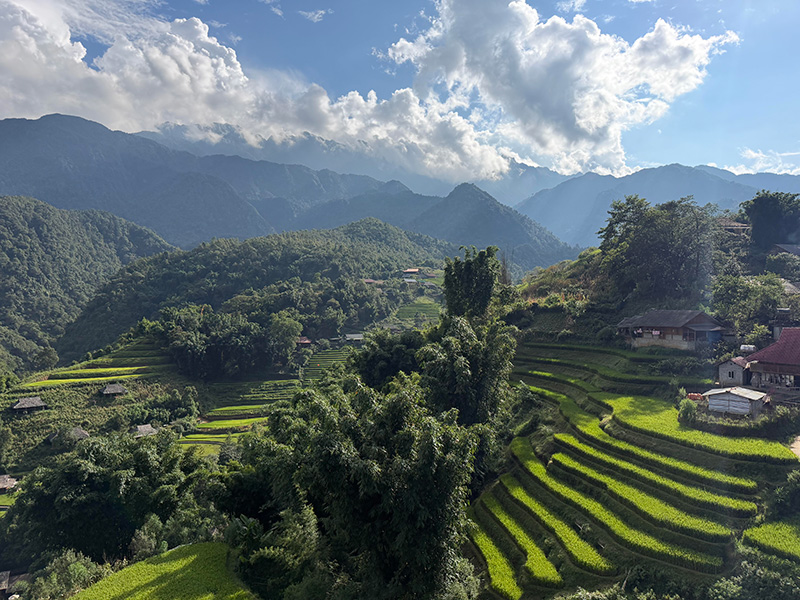
Twenty-eight years ago, I travelled through Vietnam without AI, instant translation or a camera roll capable of holding thousands of images.
This time, I could capture almost everything. The question was whether I was seeing more.
A country reveals itself in layers: landscape, history, ritual, commerce and contradiction. But the deepest layer is always human. A guide who moves beyond the script. A stranger who starts a conversation. A child who allows you a glimpse into her world. Women who have travelled beside you long enough to recognize how much life has changed between journeys.
I returned to Vietnam for a purpose. We came with Trekking for Kids to help repair what was broken and strengthen what had already been built. The journey became just as much about what cannot be constructed, scheduled or generated: trust, understanding and the lasting impressions we leave with one another.
The women who brought me back
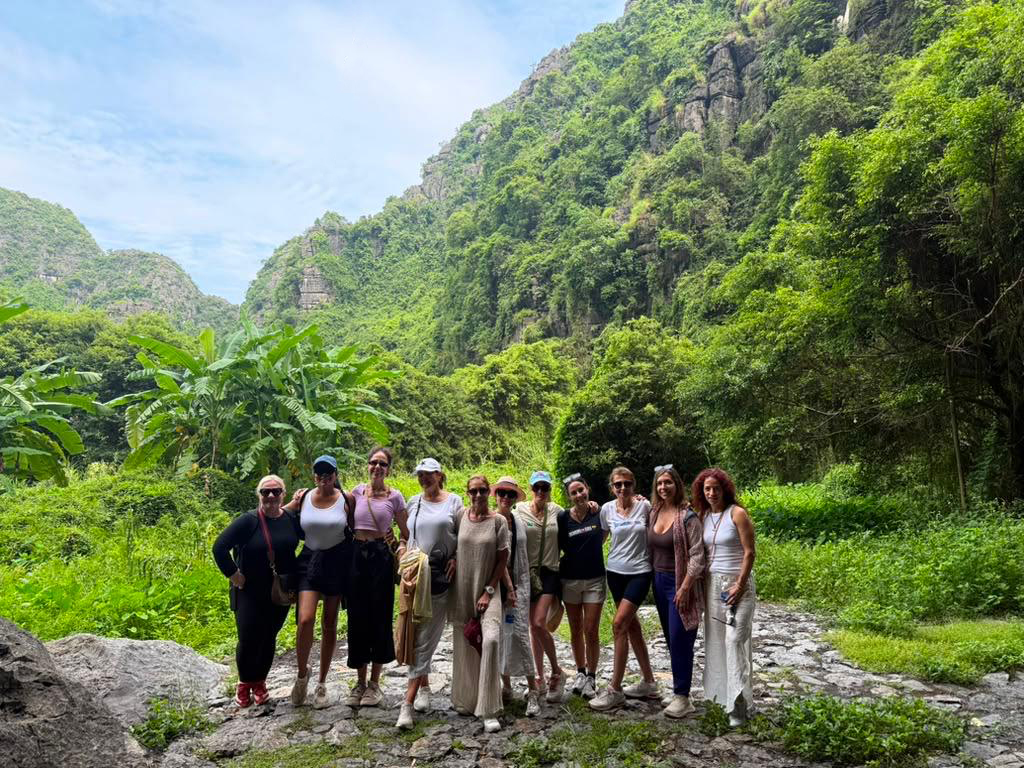
Ninh Binh, Vietnam
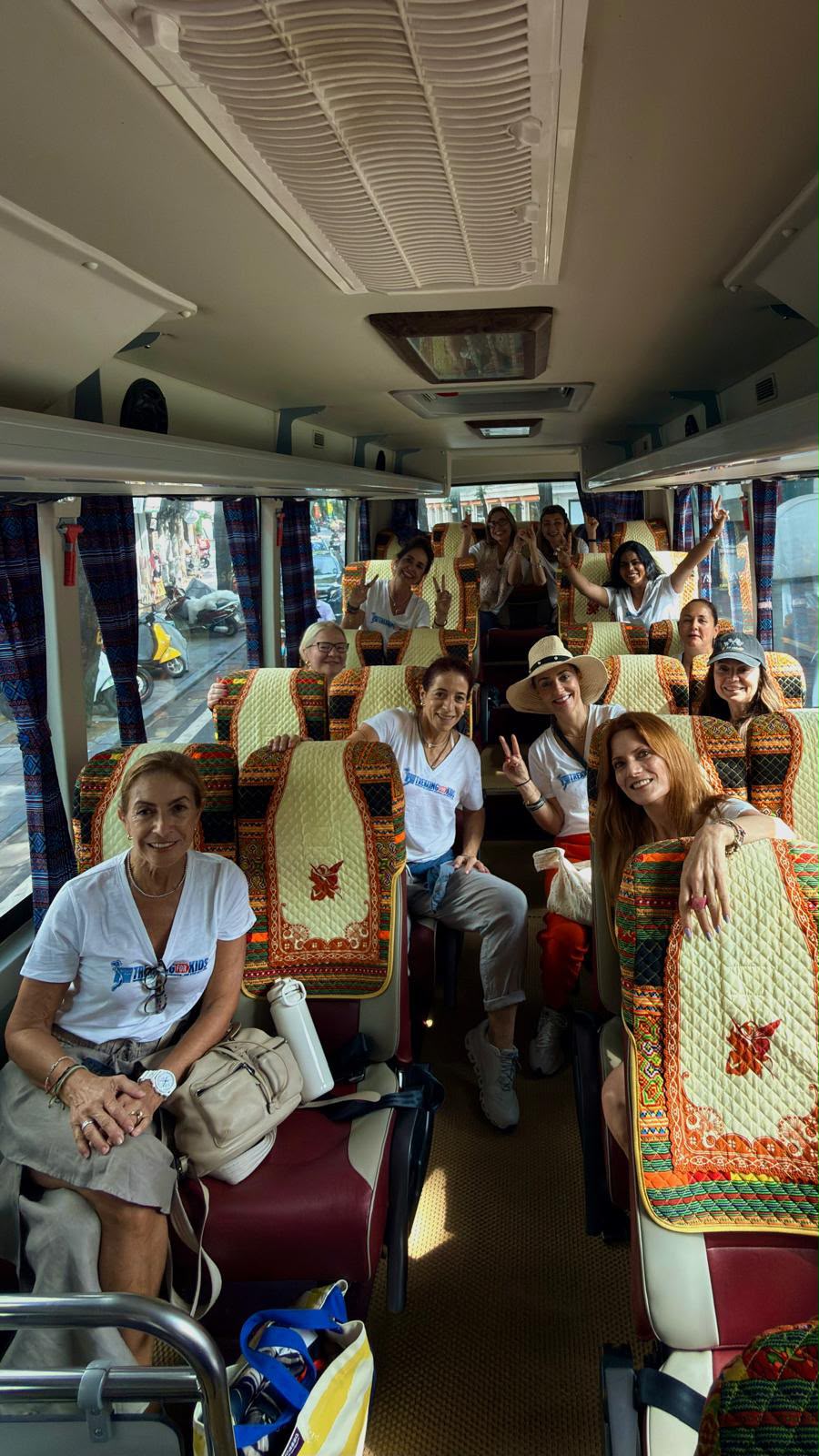
Trekking for Kids, Northern Vietnam
I travelled with women I have known for years, along with wonderful new additions brought together by our fearless trek leader. She has a particular talent for assembling people who arrive ready to contribute and leave connected.
We came with years of shared journeys behind us and plenty of life unfolding between them: careers, relationships, reinvention, difficult decisions and the growing list of body parts with opinions about the itinerary.
Travel gives those conversations room. We were in Vietnam to support the Hope Centers, but we were also there for one another. We climbed, cycled, sweated, laughed and remembered that doing something meaningful does not require being serious every minute of it.
What we came to repair
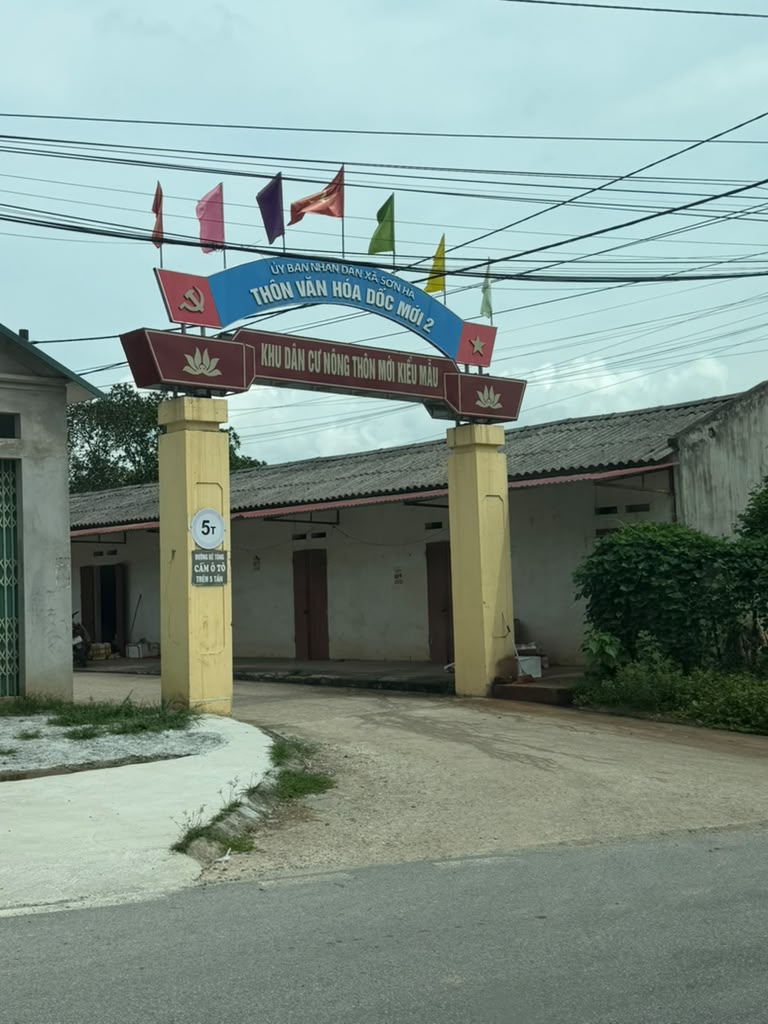
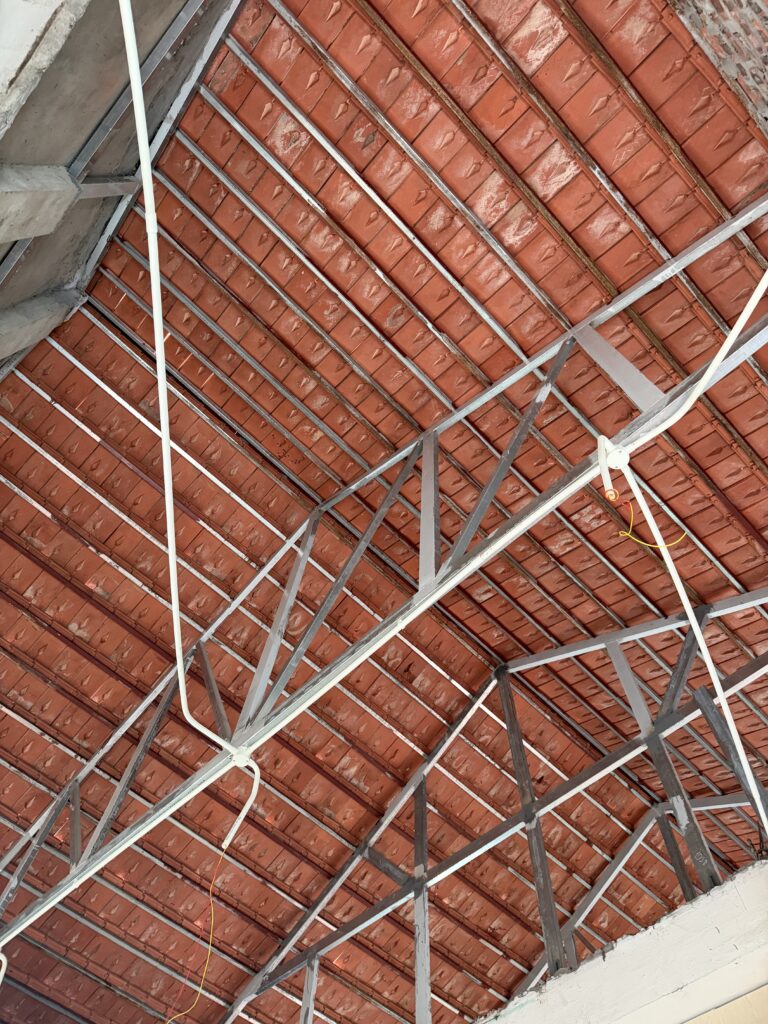
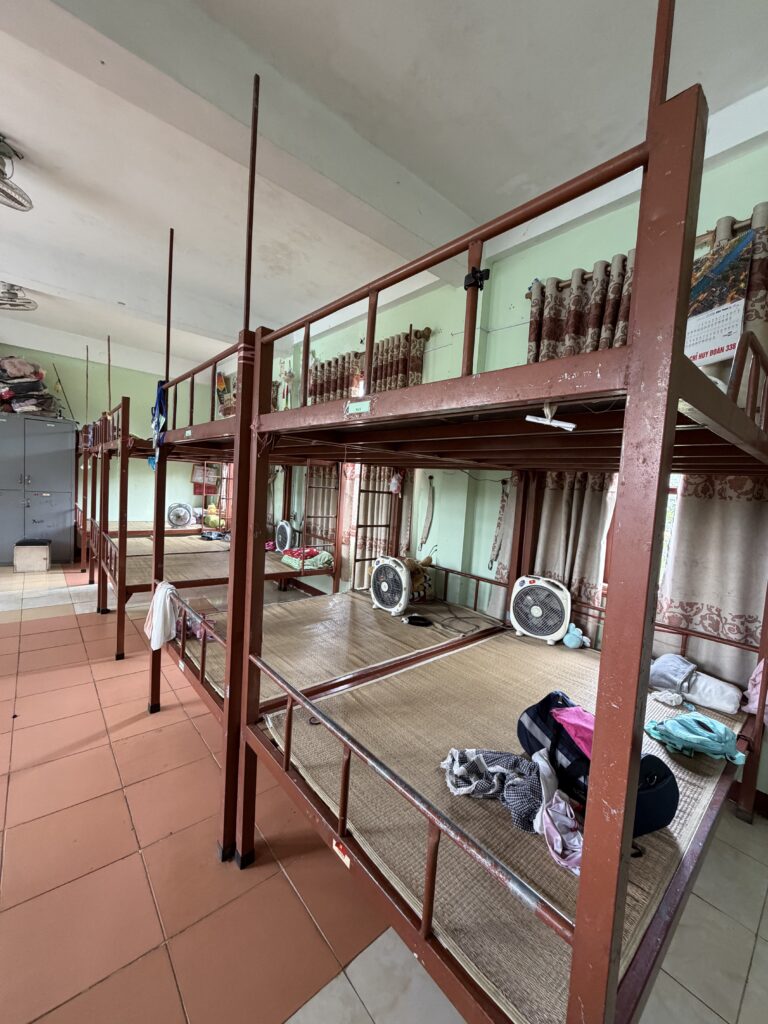
We came to support two Hope Centers serving more than 50 children who need a safe place to live and learn. Our contributions helped provide a new roof, repair a water well and bring clothing and educational supplies.
One center showed what sustained investment can make possible. The other was harder to witness. The building needed significant repair and the living conditions were not yet what the children deserved. We had come to fix things, but the clearest lesson was that the work could not end with us.
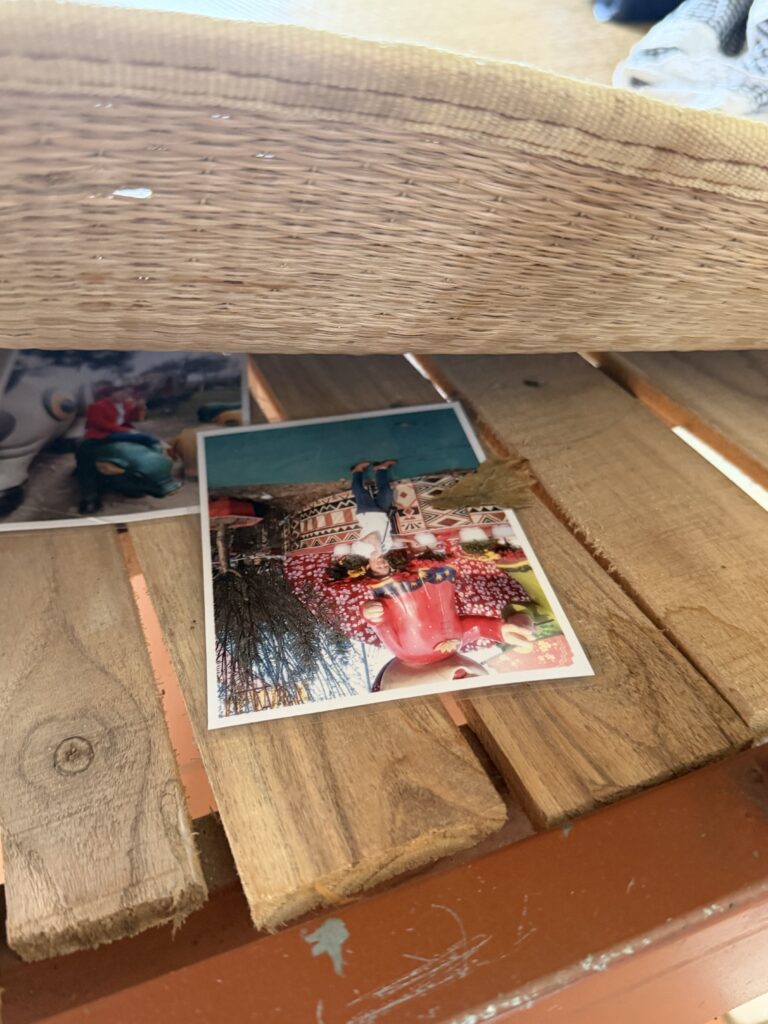
While helping move a mattress, I noticed photographs tucked beneath it. I did not know who was pictured and the moment felt too private to investigate. It was like accidentally opening someone else’s diary, so I put everything back.
Still, I understood the instinct to keep an image close. We photograph what we want to remember, how we want to be seen and, sometimes, what we are afraid of losing.
A larger world
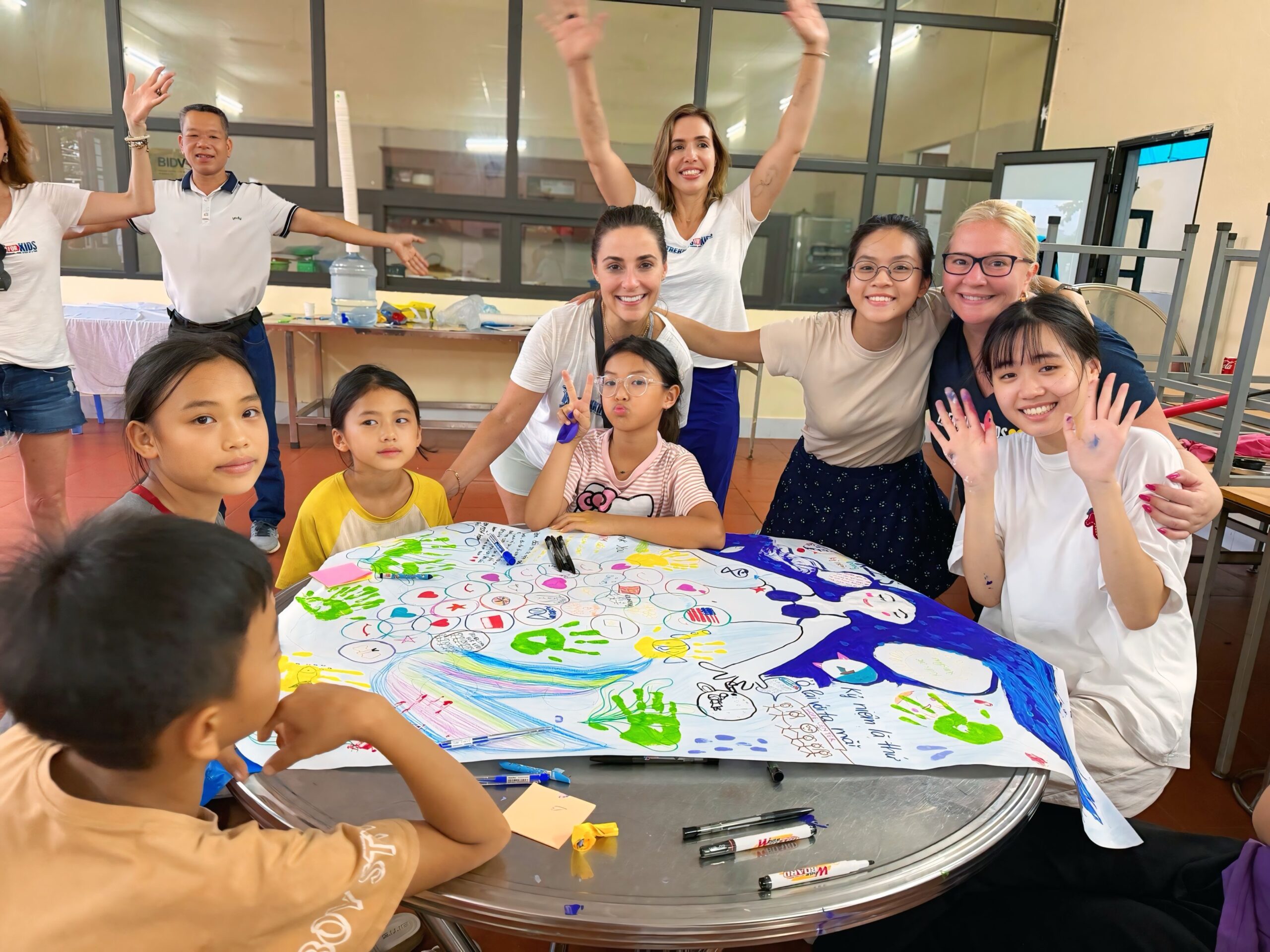
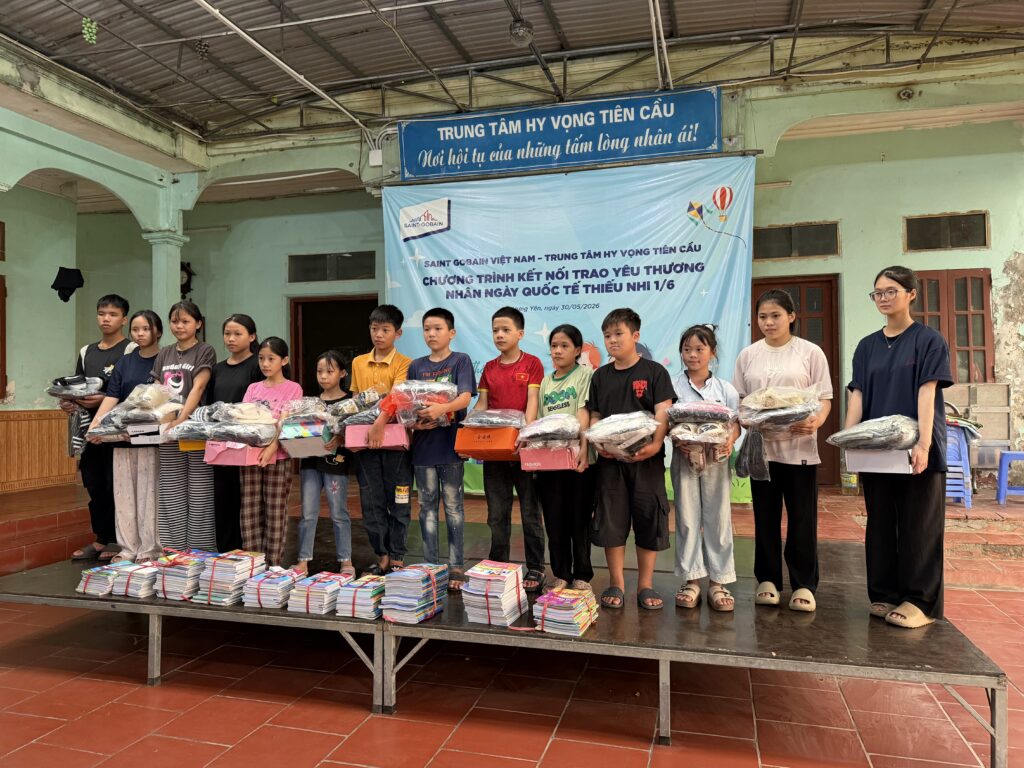
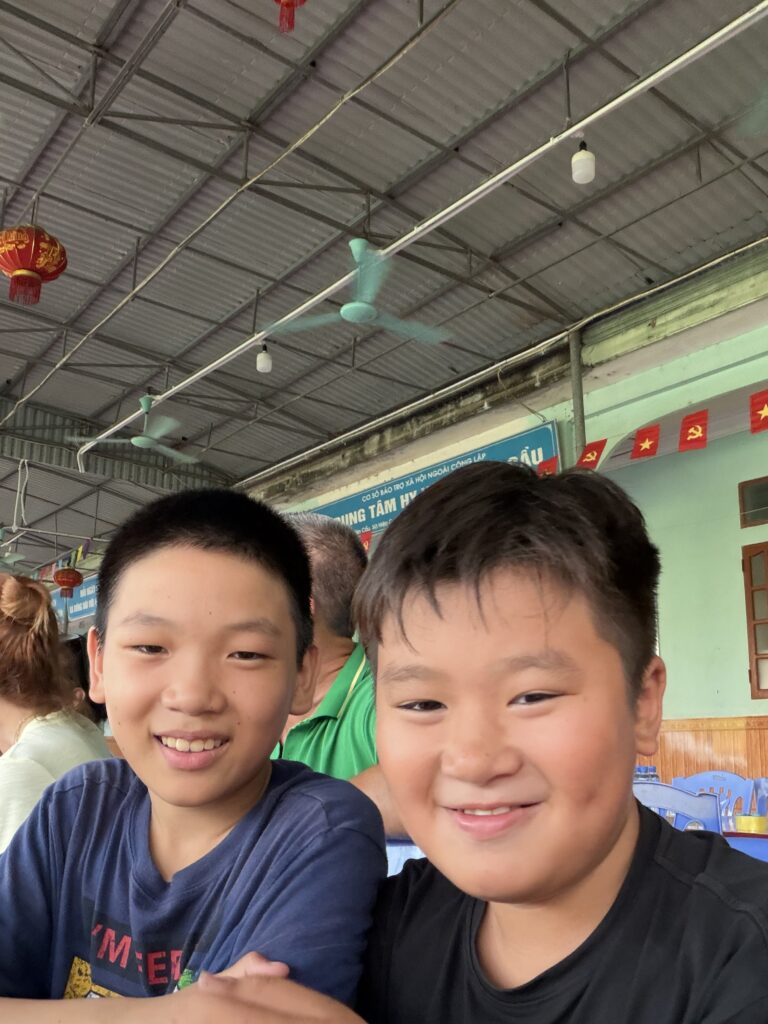
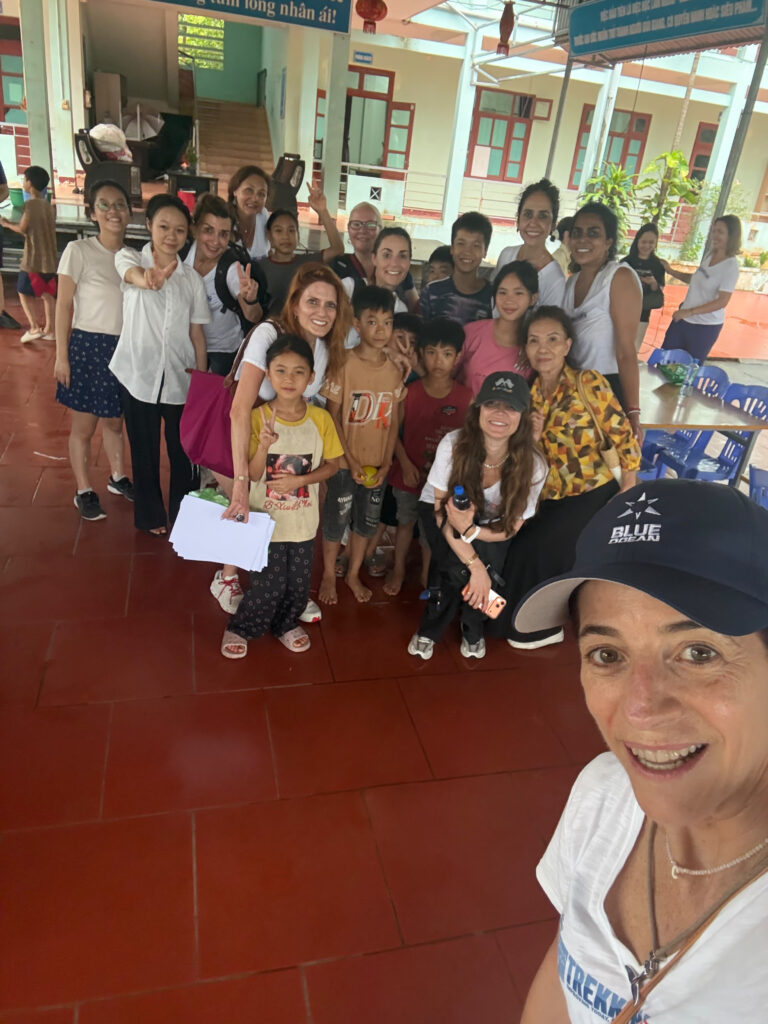
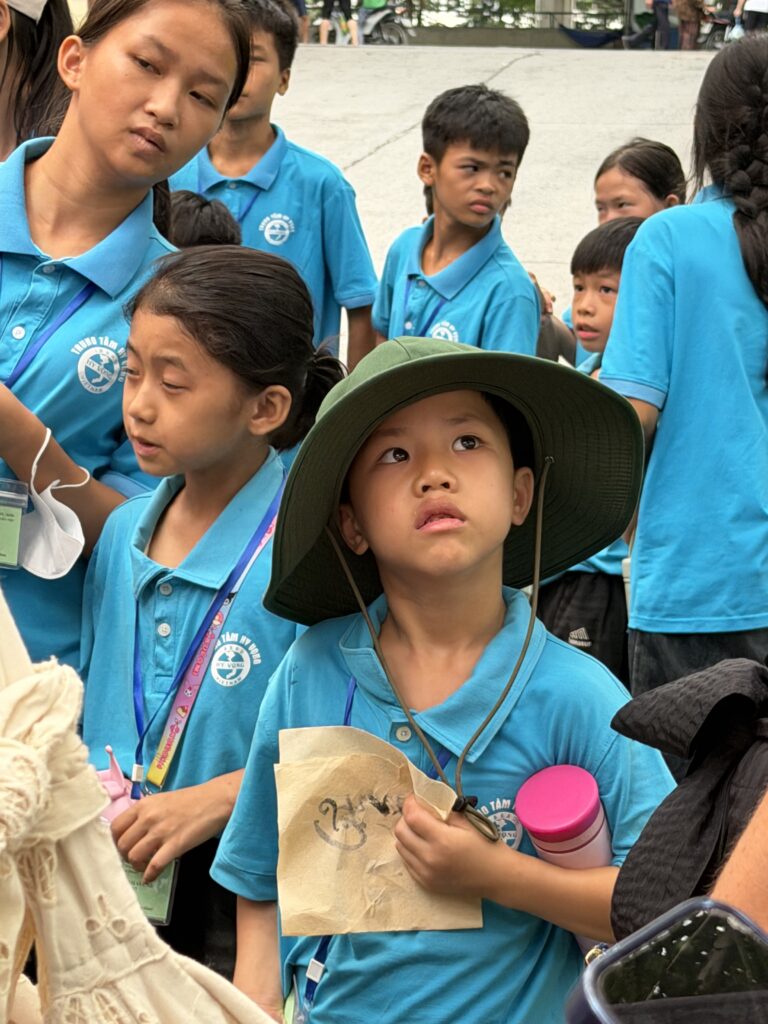
We accompanied the children on their first field trip: an aquarium, a zoo, a shopping mall, a shared meal and a film. Their expressions moved between curiosity, delight and uncertainty. Experiences many of us barely notice were completely new.
We had been invited into a private part of their lives. That access required care. Good intentions did not entitle us to their trust and no one owed us a smile for the camera.
Through the volunteers, translation, play and time, we began to understand one another. The photographs captured a few smiles. The more important story was everything that happened before them.
We often begin with what children need to survive. The Hope Centers also make room for possibility: education, belonging, friendship and the chance to imagine a life beyond the circumstances into which they were born.
Hanoi in full volume
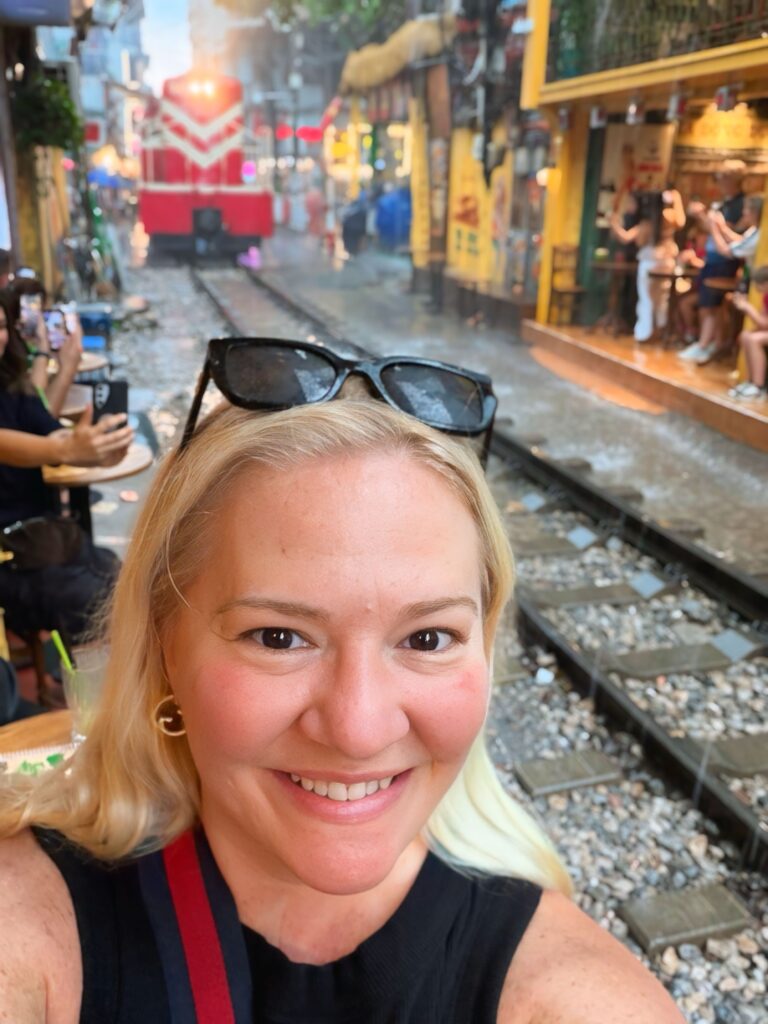
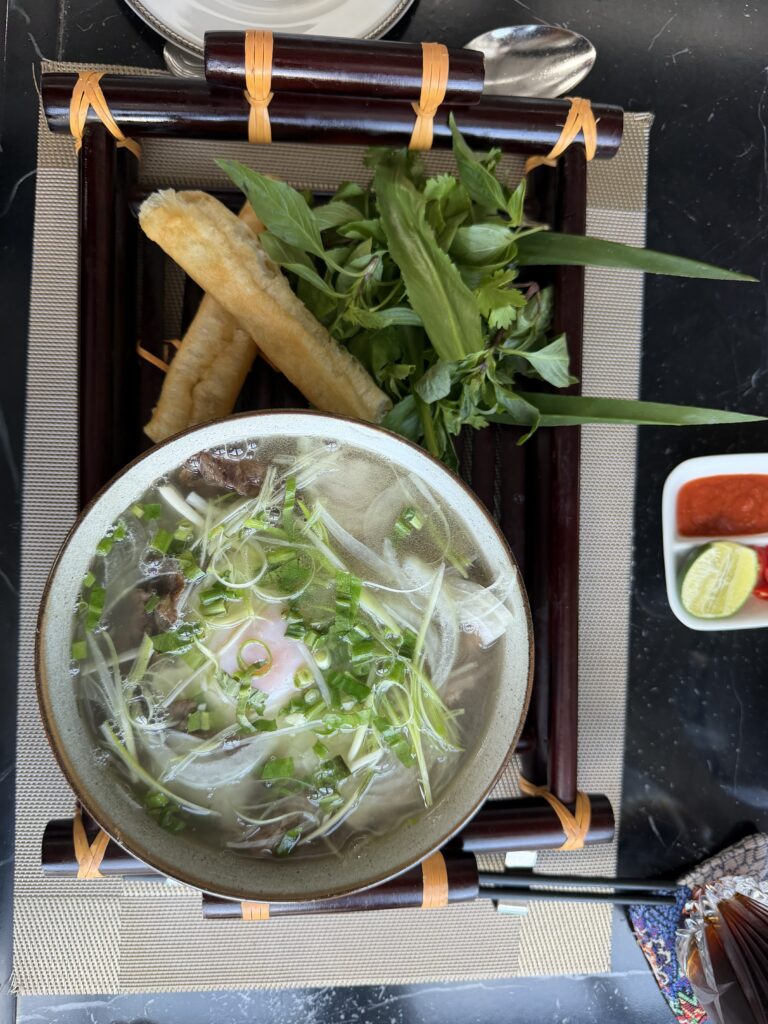
Hanoi became my base and my way into the country. It was hot, humid and magnificently chaotic. Food, traffic, commerce and conversation spilled into the street. There was pho fragrant with herbs, banh mi, extraordinary fruit, tea, massage and another spa around almost every corner.
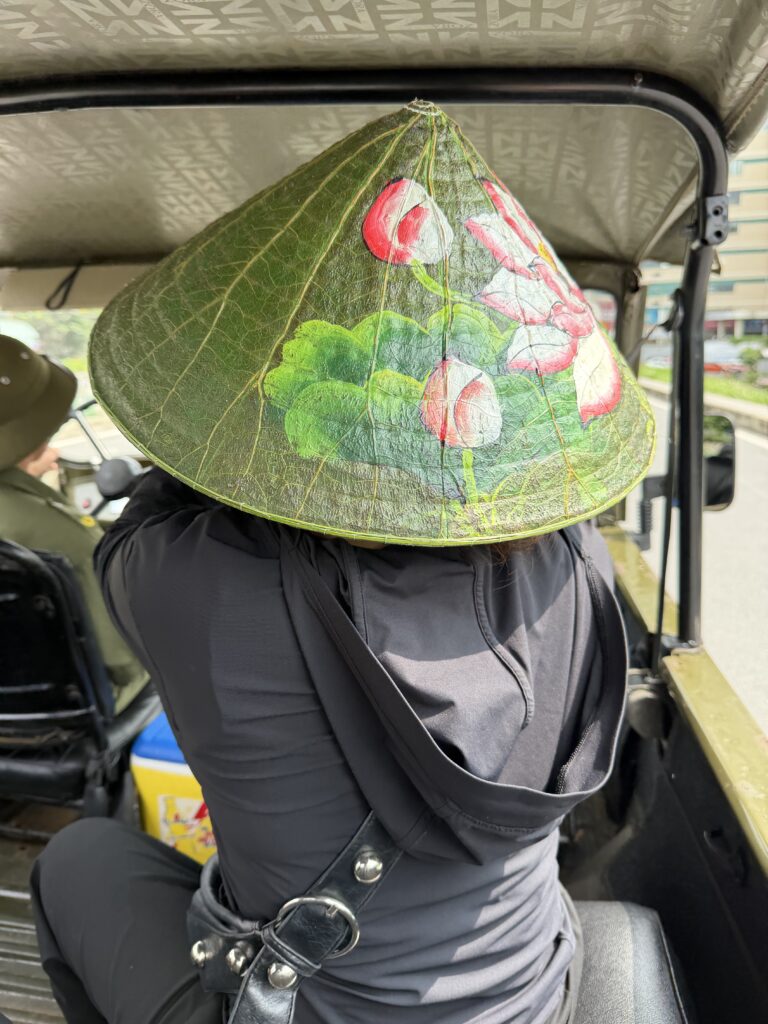
On my first day, I saw my guide’s painted hat and immediately wanted one. She offered to take us back to the shop where she had bought it. My travel rule is simple: if you see something you love, buy it. You may never find it again.
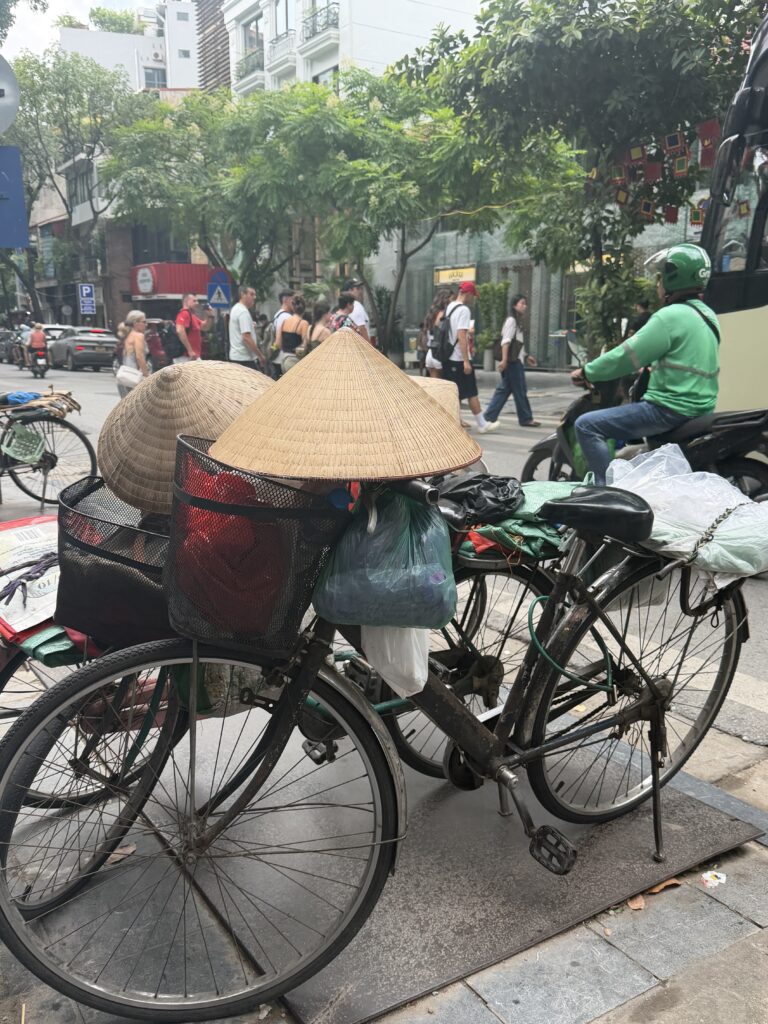
Naturally, I then discovered the hats everywhere.
I had nevertheless committed, which meant carrying one highly impractical object through an impressive number of cars, hotels, flights and airports. Nothing says cultural appreciation quite like protecting an enormous hat in a plastic bag for three weeks.
The land above
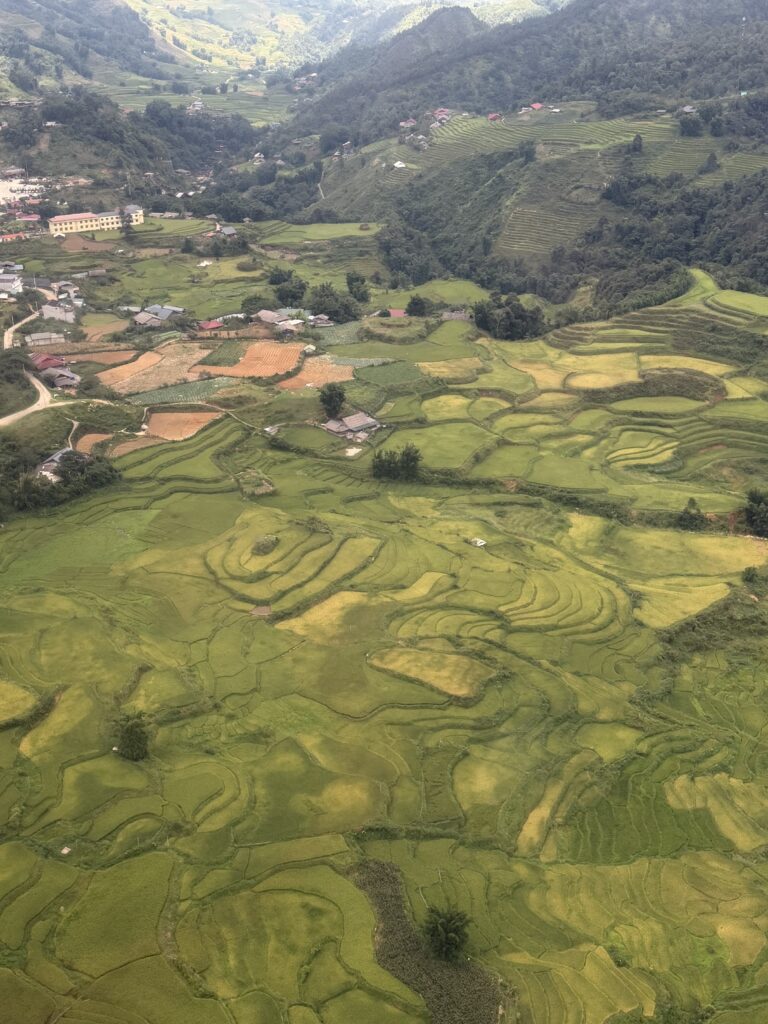
In Sapa, generations have shaped steep terrain into productive land. From above, the rice terraces looked almost effortless. Up close, every level reflected labour, water, weather and adaptation.
Life Below
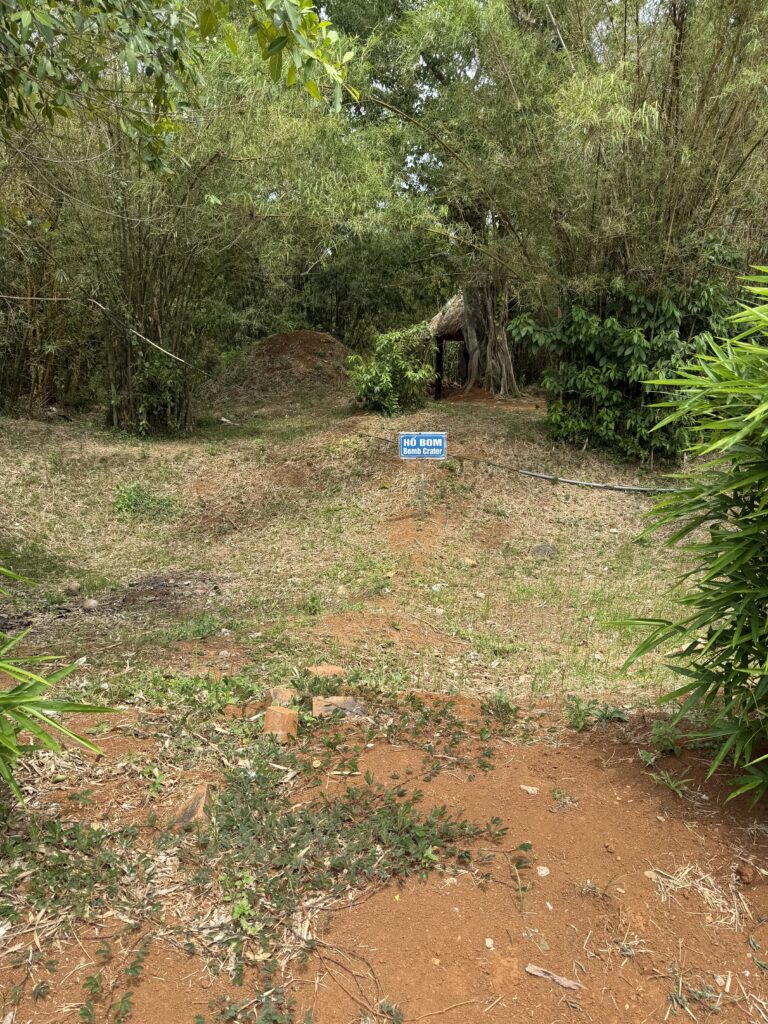
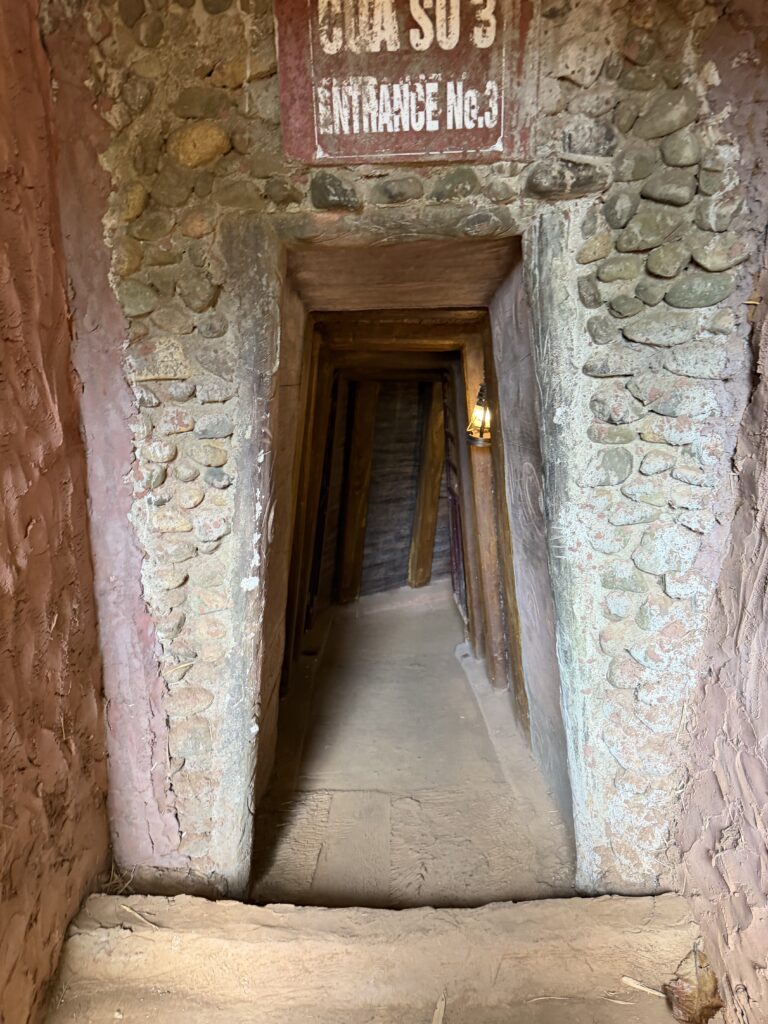
At Vinh Moc, adaptation moved in the opposite direction. Civilians went beneath the ground to survive prolonged bombing. Every chamber and air shaft had a purpose. One community shaped difficult land for life. Another entered it to survive.
Vietnam is a long country. Much of the journey happened between destinations, in buses and private cars, watching the landscape change and listening as the prepared facts gave way to conversations about wages, families, travel and ambition.
Several guides had travelled very little themselves, despite working in tourism. One was learning English, Russian and Chinese. Translation technology could supply the words. Curiosity was what kept the conversation going.
On the road toward Ha Long Bay, VinFast cars passed its vast manufacturing complex, a very different expression of Vietnamese ingenuity and determination.
The comparison is not exact, but the instinct felt familiar: understand the conditions, use what is available and find a way forward. History remained visible. So did the urgency to build what comes next.
Tradition meets the flash
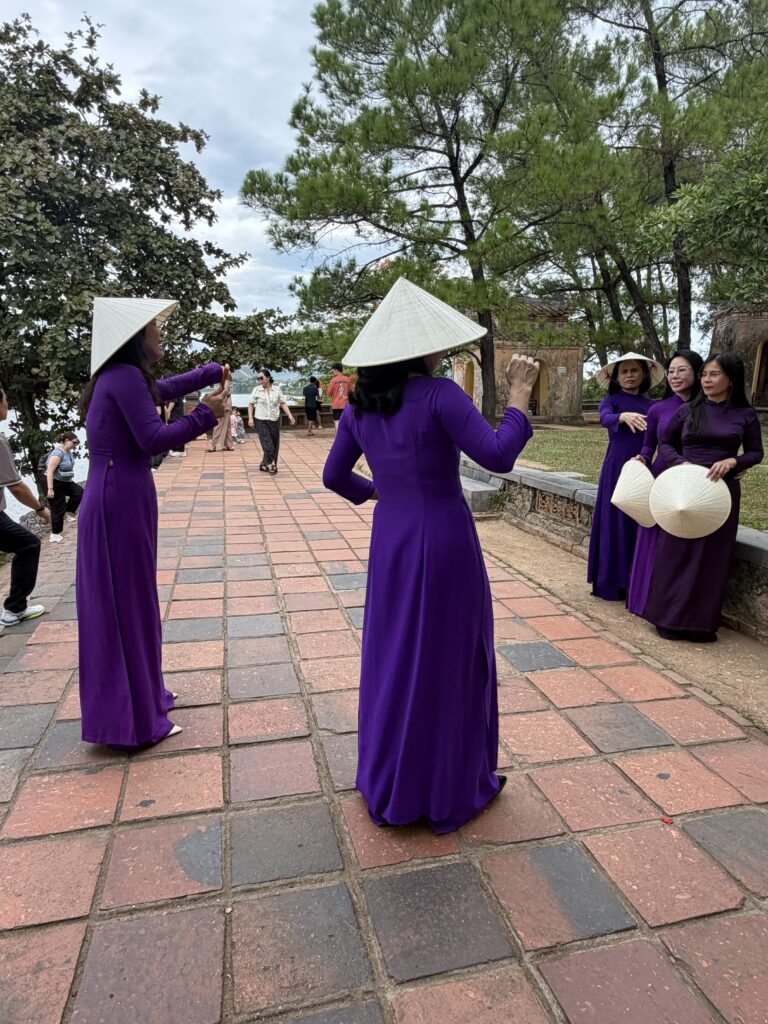
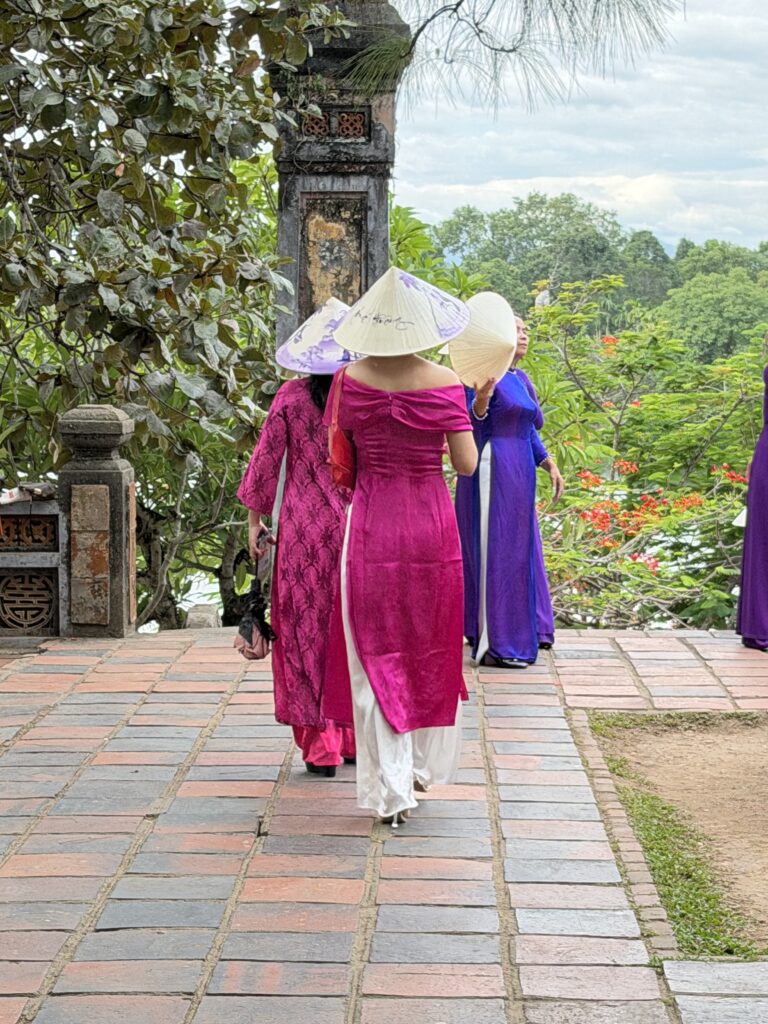
The nón lá was still doing its original job in fields, markets and boats. Elsewhere, the familiar form appeared in bright colours, intricate paintings, bamboo and lotus leaves. The ao dai was evolving too, worn traditionally and reinterpreted with modern cuts.
Then came our transformation into the unofficial Housewives of Vietnam.
Temple visit. History lesson. Photo shoot. Apparently these were no longer separate activities.
Everywhere, people were posing at temples, waterfalls, bridges and monuments. At times, I found the production exhausting. I wanted to understand Hue, not wait for another perfectly arranged photograph. But perhaps the camera is also helping tradition travel forward. Its purpose changes. Its presence continues.
Another way through
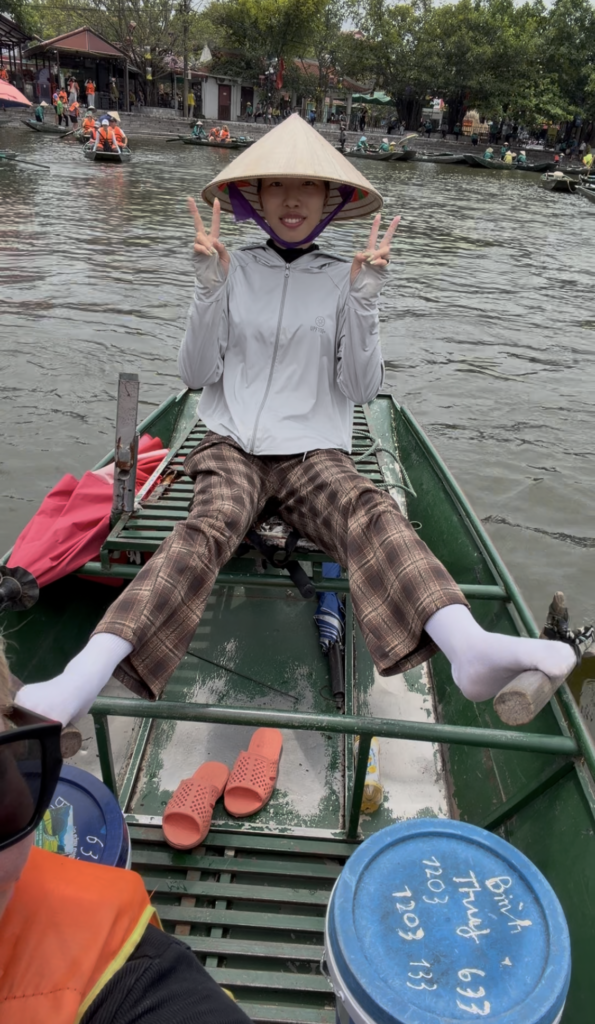
In Ninh Binh, our rower propelled the boat with her feet while we passed limestone cliffs and a marriage proposal. I even cycled through the rain, despite rarely touching a bicycle at home in the Netherlands. Vietnam kept finding alternative methods. Occasionally, so did I.
Beyond the prescribed route
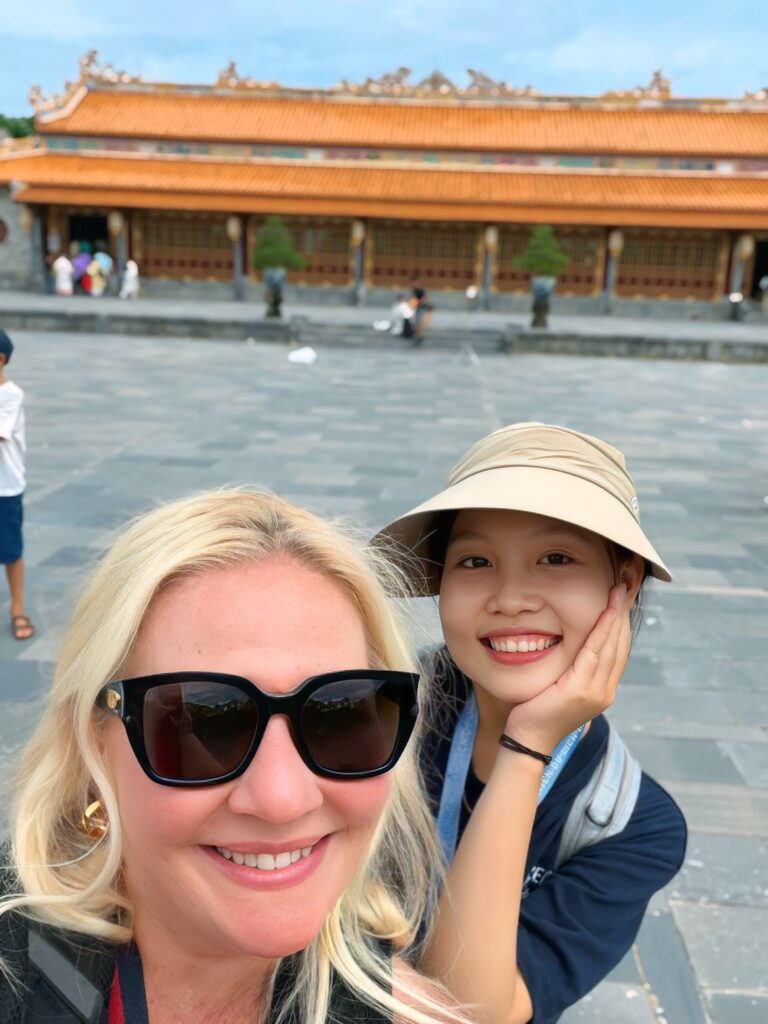
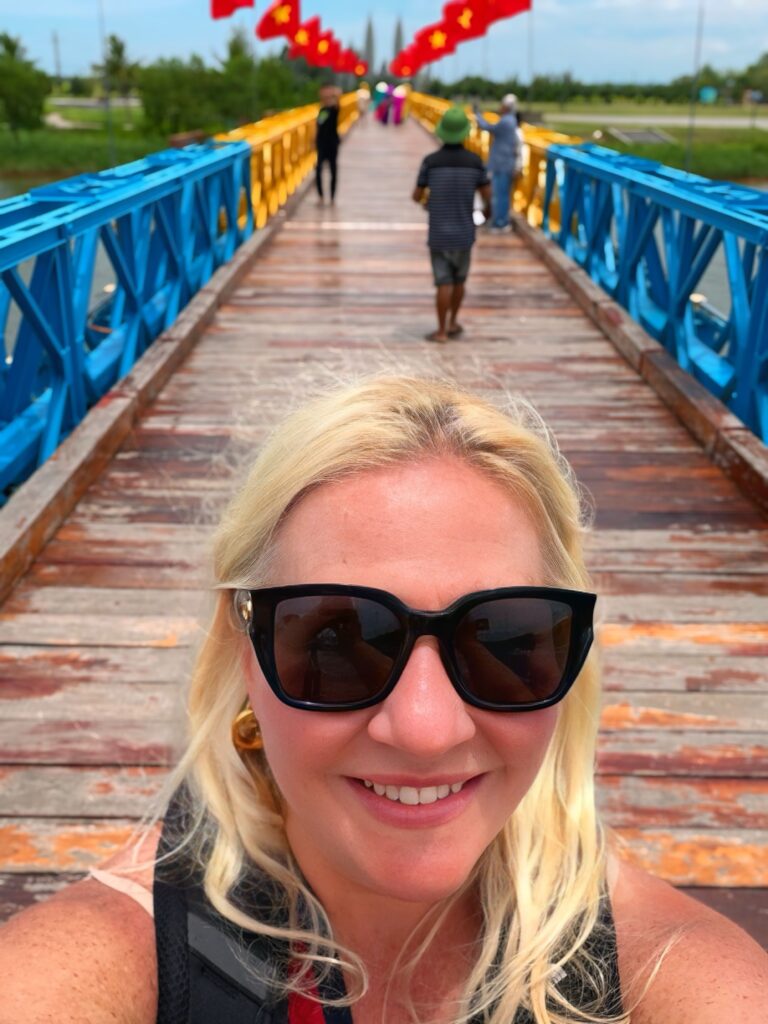
After the group journey ended, I continued alone through Sapa and Central Vietnam, then on to Cambodia and Shanghai.
This is what I value about solo travel. I have time to observe without negotiating someone else’s pace. I can listen to my energy, change direction and become very specific about what I want to understand. Private guides make that possible. I take inspiration from an itinerary, but I rarely remain entirely inside it.
“It is four hours, Madam,” one guide warned when I asked to add another historical site.
“Then we leave at five.”
We did.
Some guides accompanied me to places they had never visited themselves. We learned together. They offered local knowledge. I supplied questions, curiosity and the occasional unreasonable timetable.
I also met more people from Kazakhstan than I had in my entire life, including a woman working in HR who invited me to visit. Twice, strangers asked whether I was a writer. Perhaps it was the glasses.
Travel creates the opening. Follow-through is what turns coincidence into connection.
Trying very hard to relax
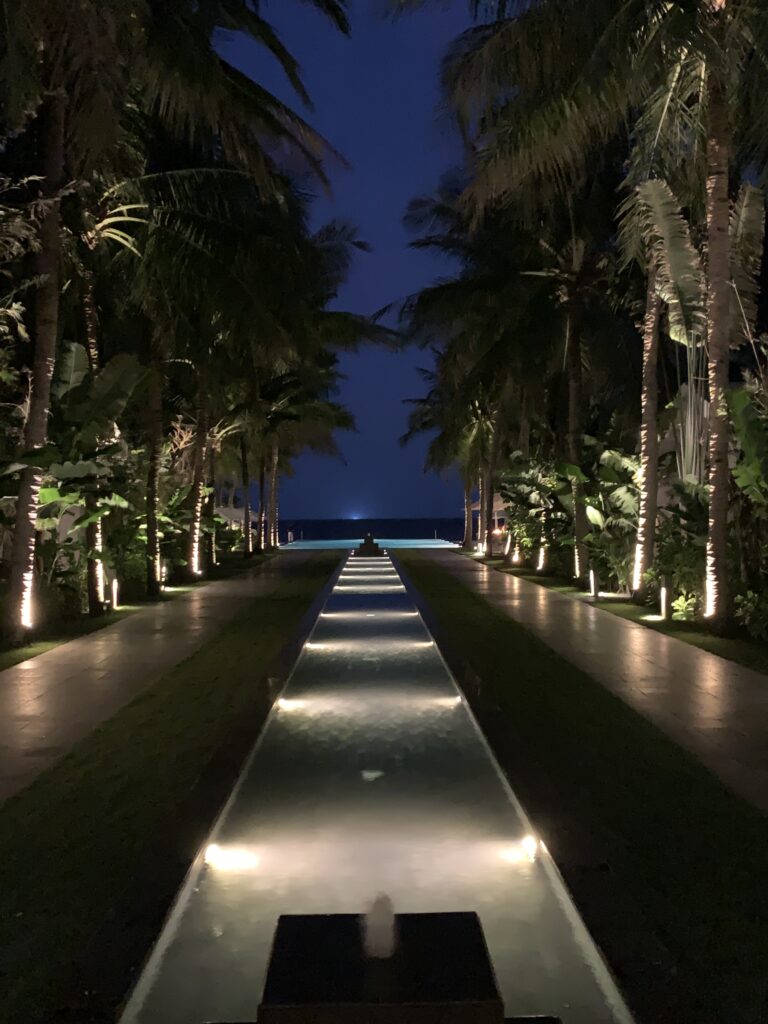
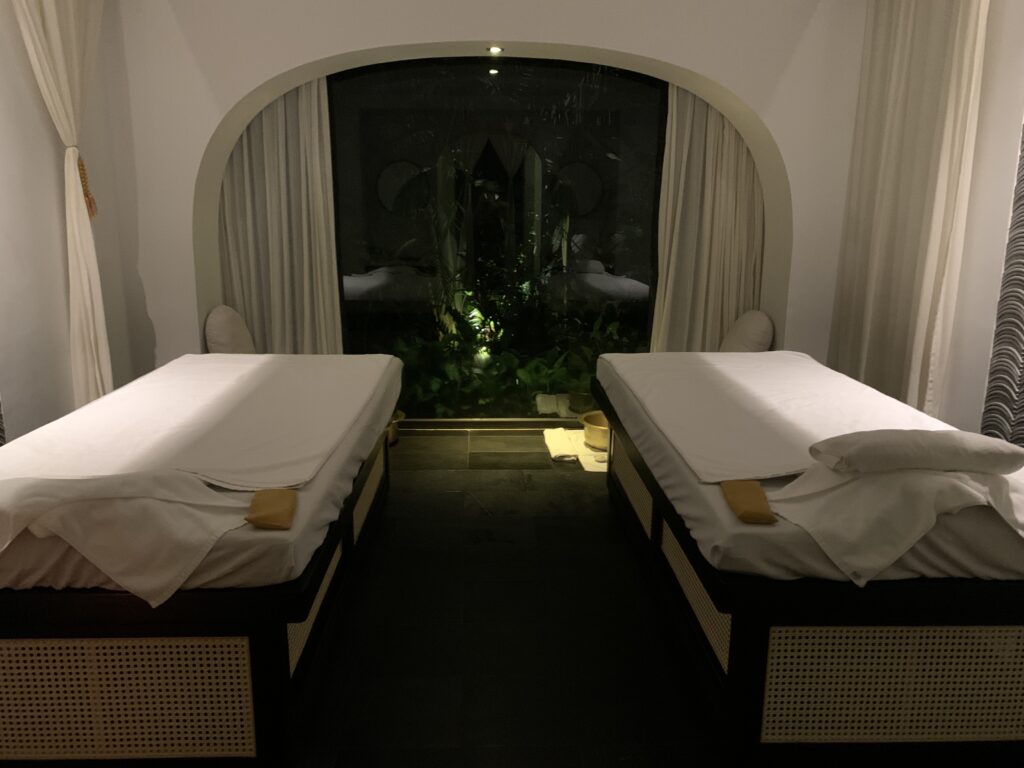
The journey was intensely hot, wet, noisy and physically demanding. By the time I reached an all-inclusive wellness retreat in Da Nang, I was ready to stop.
Within minutes, I was being asked to schedule massages, treatments, creative workshops, rituals and a memory board. I had come to relax and immediately became anxious about whether I was optimizing my wellness correctly.
Eventually, I said the only thing I actually needed was time.
Once I stopped trying to achieve relaxation, it arrived. Treatments, fresh food, a quiet villa and distance from the crowds allowed my system to settle. Listening to ourselves is not always poetic. Sometimes it is simply admitting that we have had enough plans for one day.
The image and the experience
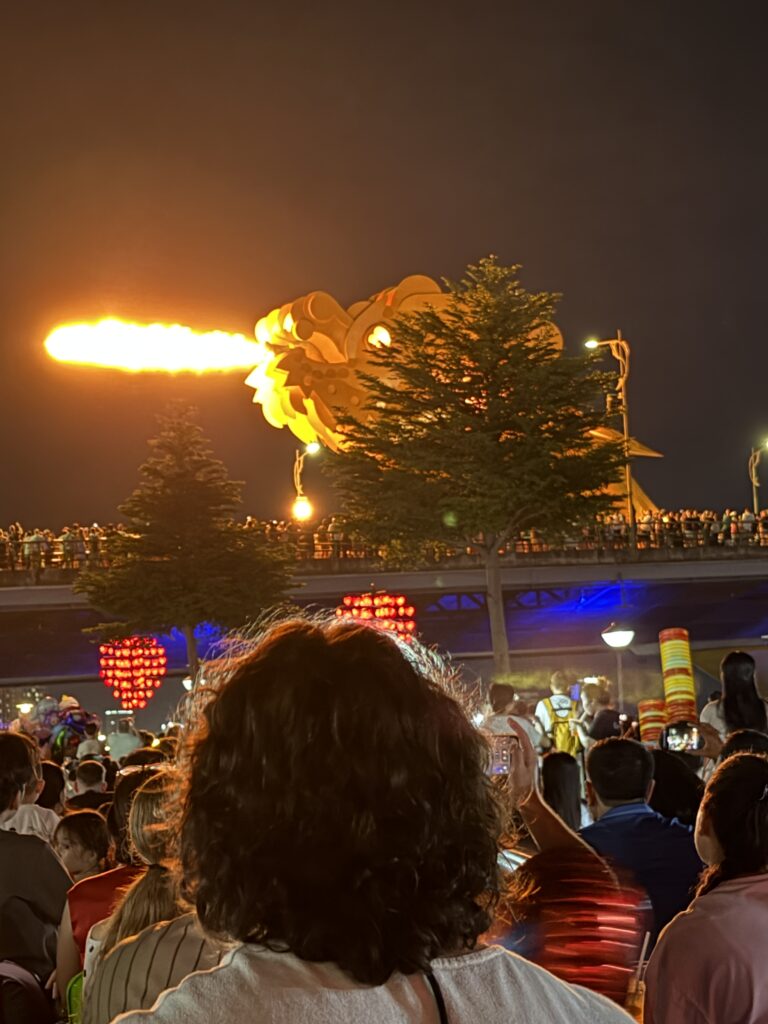
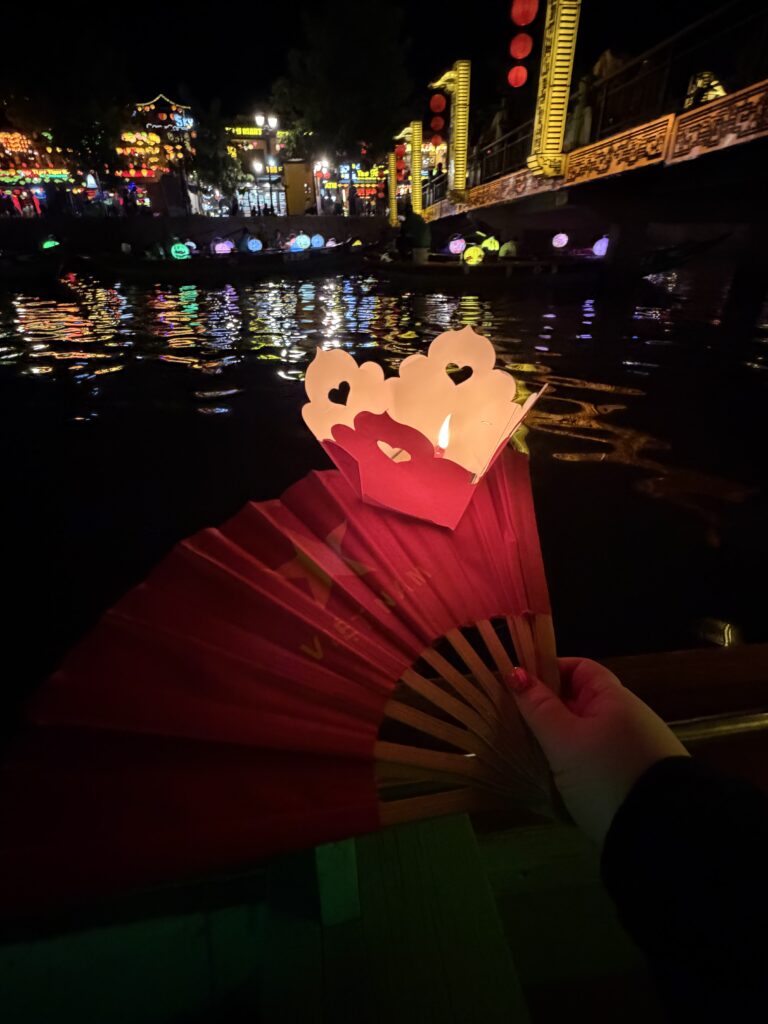
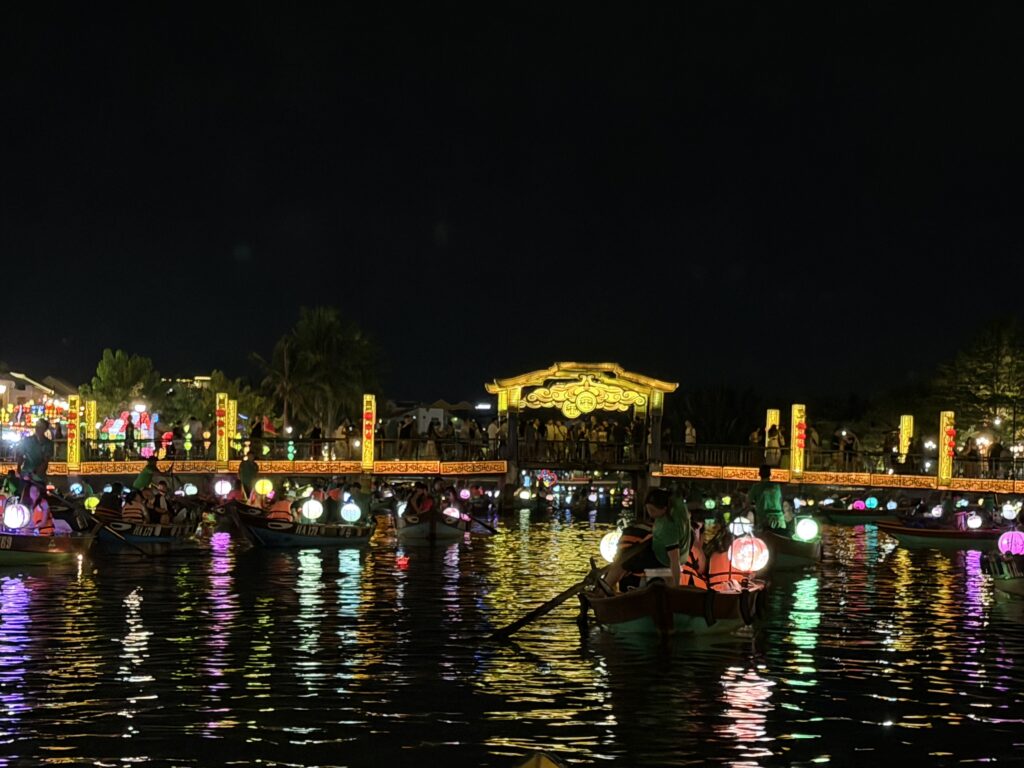
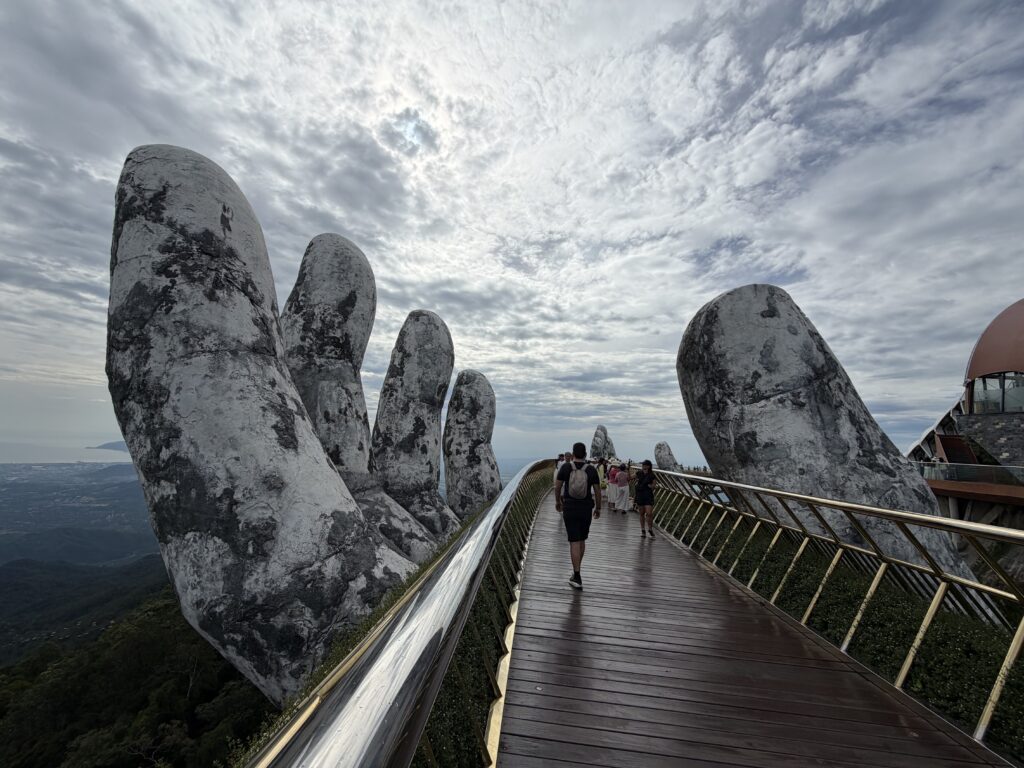
In Da Nang, the Dragon Bridge breathed fire across the river. At Ba Na Hills, two enormous stone hands appeared to hold the Golden Bridge in the clouds. Hoi An offered lanterns, wishes and American rock music competing loudly for the atmosphere. Apparently even nostalgia needs a soundtrack.
Three versions of spectacle: engineering, reinvention and heritage. All were designed to be experienced and photographed, and the distinction was becoming difficult to separate.
I bought lanterns from an elderly woman and watched visitors arrange wishes, outfits and photographs. The camera was no longer simply documenting the experience. It had become part of the experience itself.
That tension followed me throughout the journey. A photograph can preserve memory, create identity, sell a destination or turn a sacred place into a backdrop. Sometimes it does all four at once.
A sign to keep going
Cambodia followed directly after the group trip. My e-visa arrived, the direct flight fit perfectly and I decided to take that as a sign.
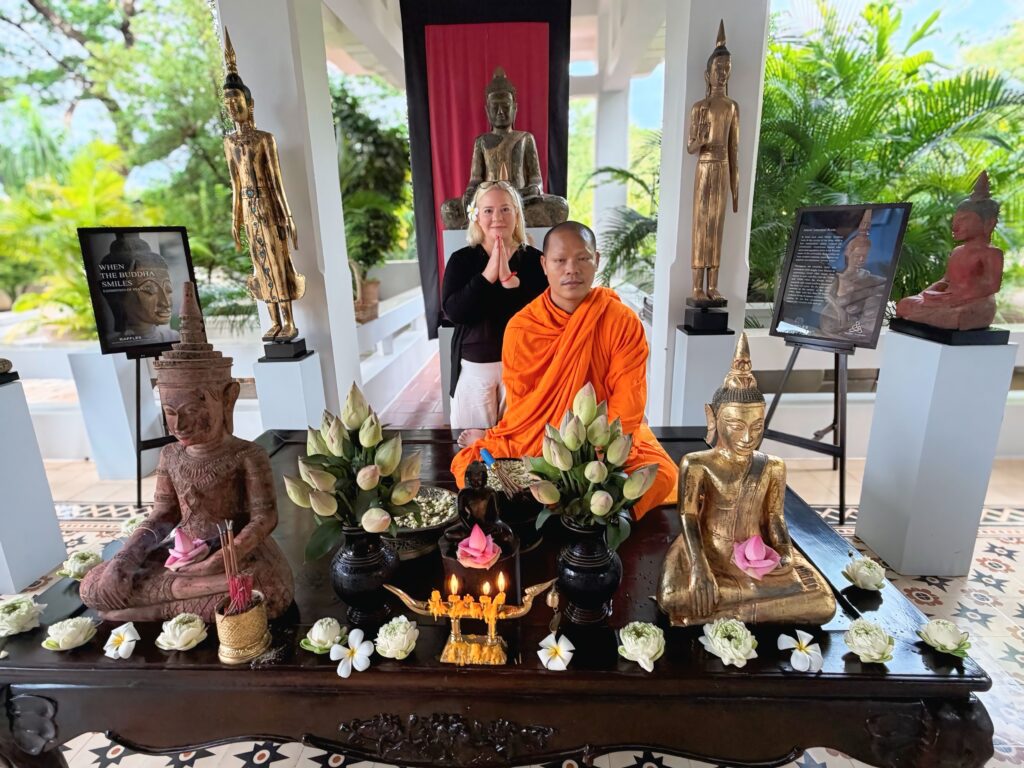
Raffles welcomed me with the kind of thoughtful details that make arrival feel personal. There was fruit, a monk blessing and a guide prepared to bring centuries of history to life. I then asked him to fit approximately five temples into the time normally reserved for far fewer.
It was not disrespect. I knew there was only so much I could absorb. He still looked mildly horrified by the pace.
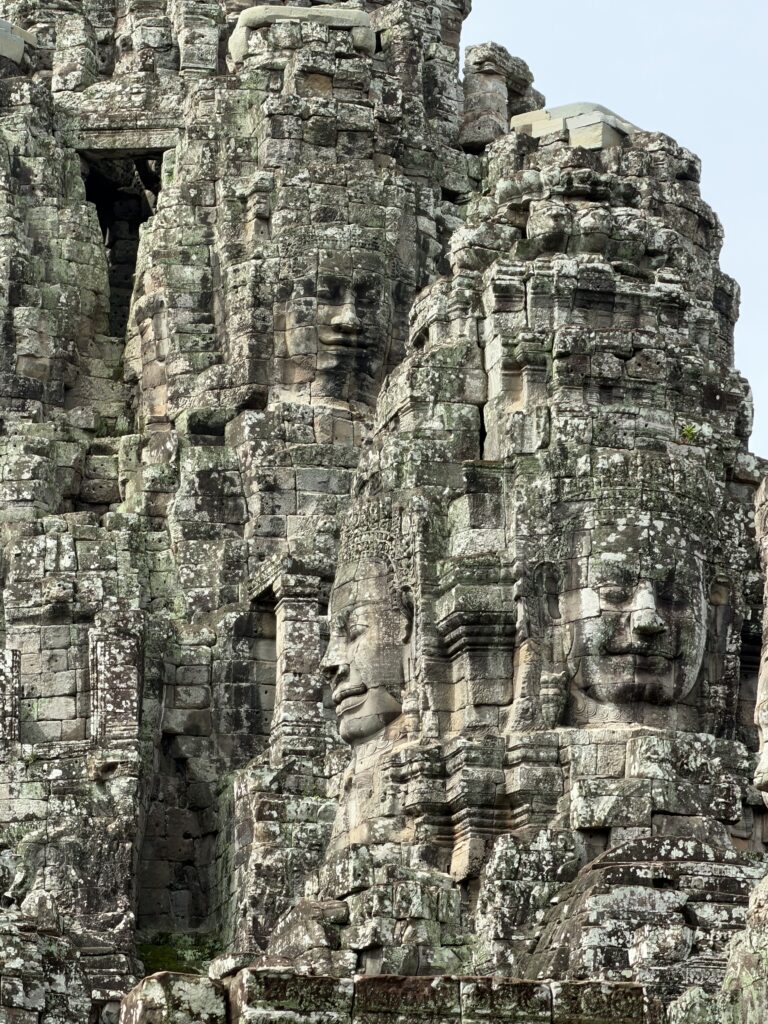
The faces of Bayon stayed with me most. Perhaps it was the feeling of being watched by history while moving through a country still finding its next chapter.
Guides spoke candidly about how changing flight routes and regional tensions had affected tourism. Cambodia had not become less extraordinary. It had become less convenient for some travellers to reach. If you are already in the region, go a little farther. You will be welcomed with open arms.
Shanghai from above and below
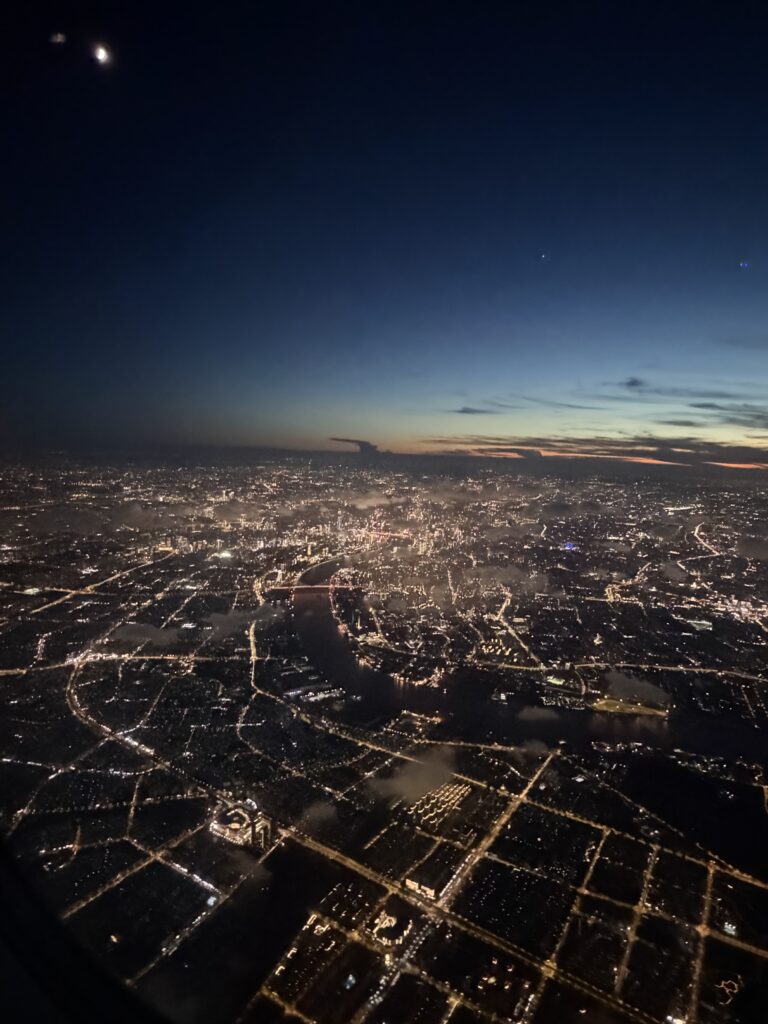
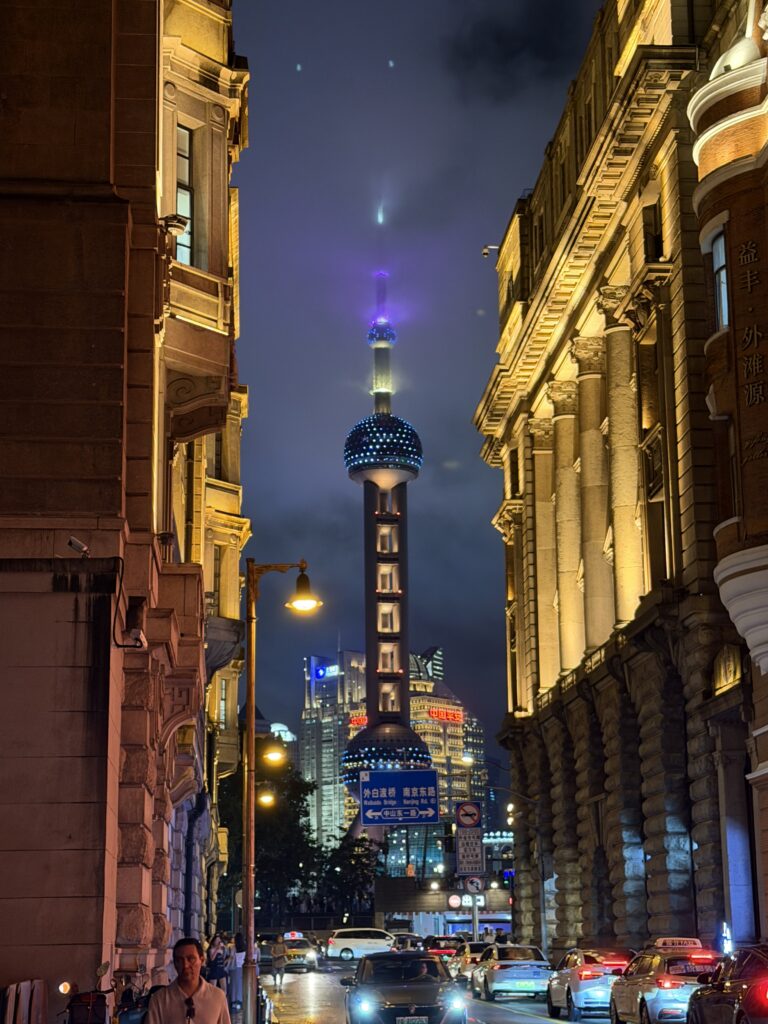
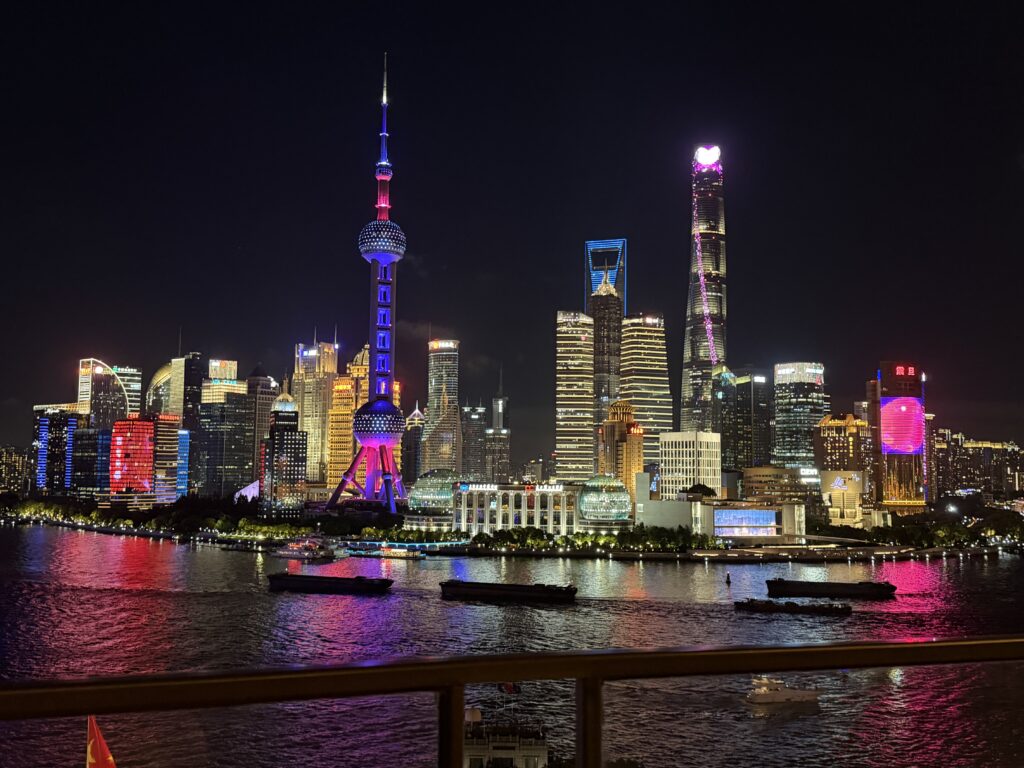
Shanghai was a deliberate final stop. Transit rules created the opportunity, the route worked on my return to Amsterdam and my eSIM promised I would not be cut off from the world while travelling alone.
Officials recalculated the dates when I arrived. I got in.
Even the taxi queue had outdoor air conditioning, which felt less like extravagance and more like basic survival in the August heat. From the air, I caught the skyline I had been told we would not fly over. From the Bund, it became the familiar futuristic postcard, impressive and slightly unreal.
I could appreciate the spectacle without needing to love it. By then, I was looking for somewhere with a little less volume and a little more history.
The quieter side of Shanghai
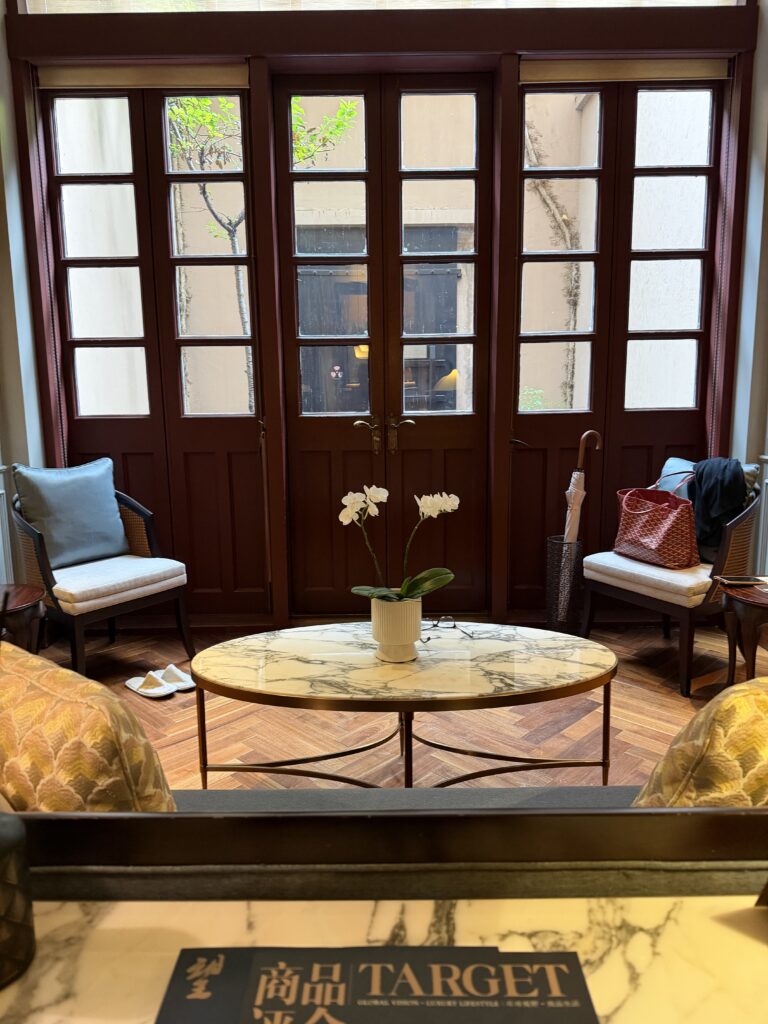
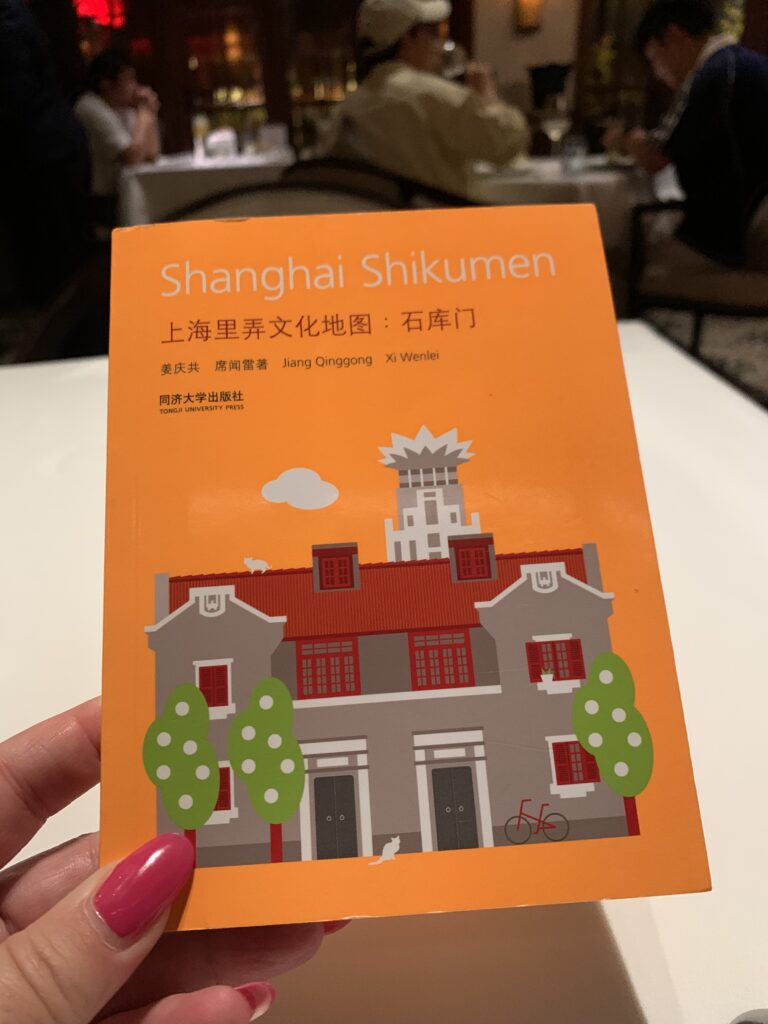
In the former French Concession, I stayed at Capella in a restored shikumen lane residence. My villa had four floors, several bathrooms, a rooftop and White Rabbit chocolates waiting in the television room. For one night, I had more house than I had energy to explore.
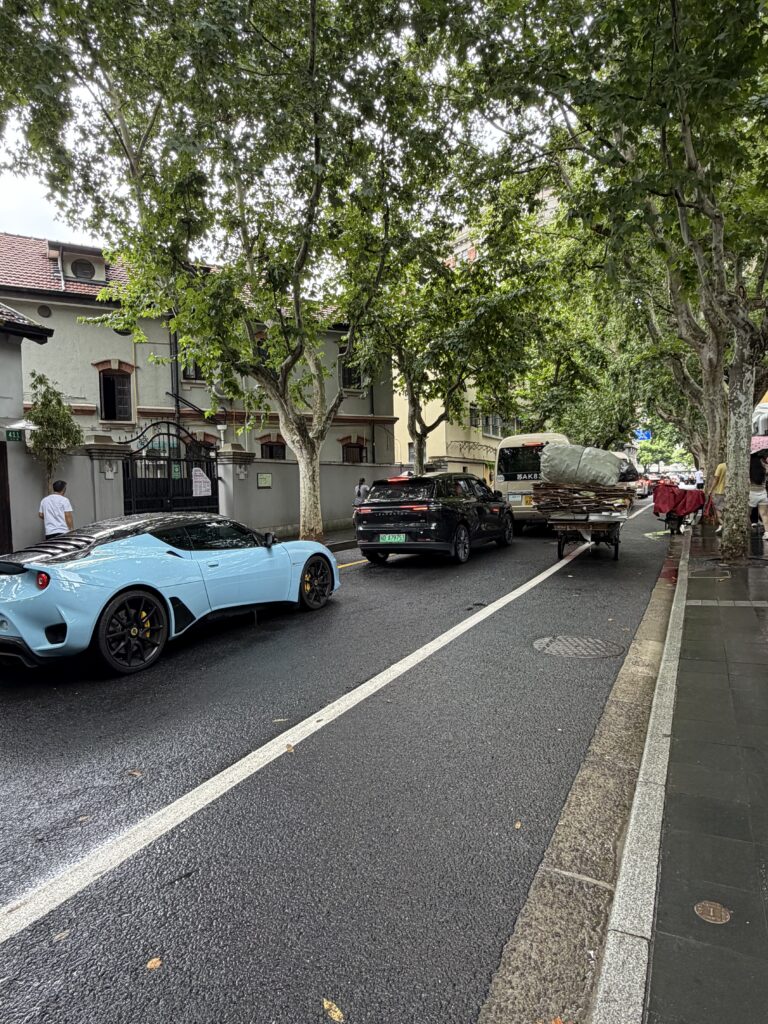
Outside, a high-performance sports car sat near a man transporting an astonishing quantity of cardboard by bicycle. Shanghai held wealth and work, preservation and reinvention, global ambition and intensely local life within the same few streets.
A table for one
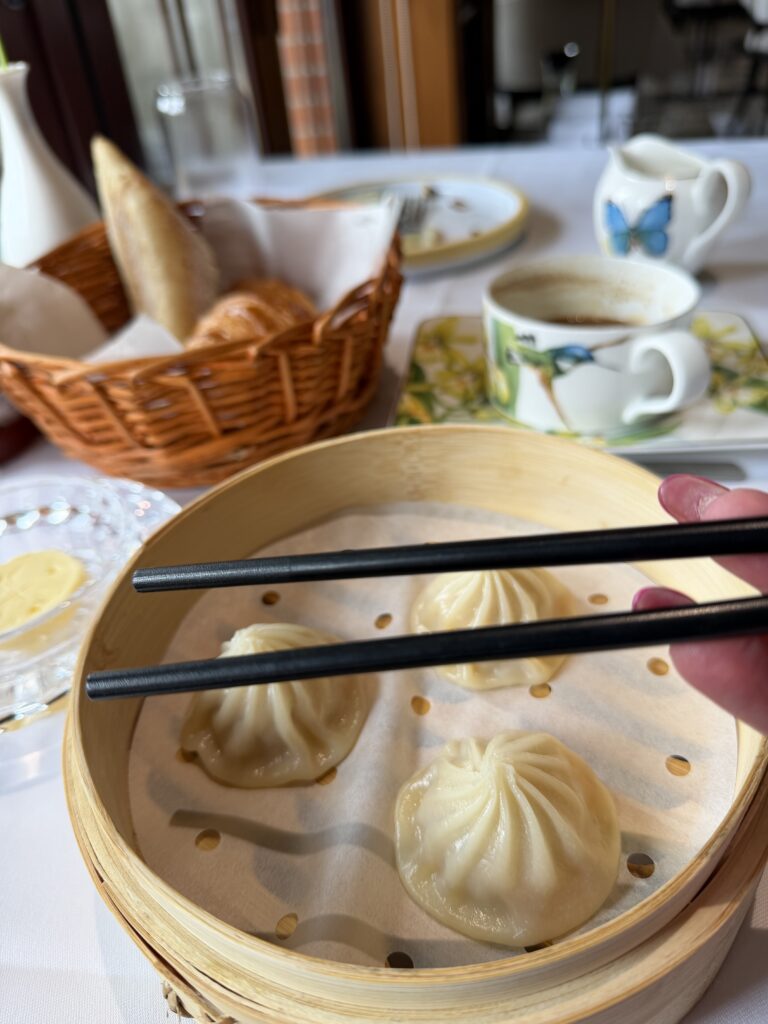
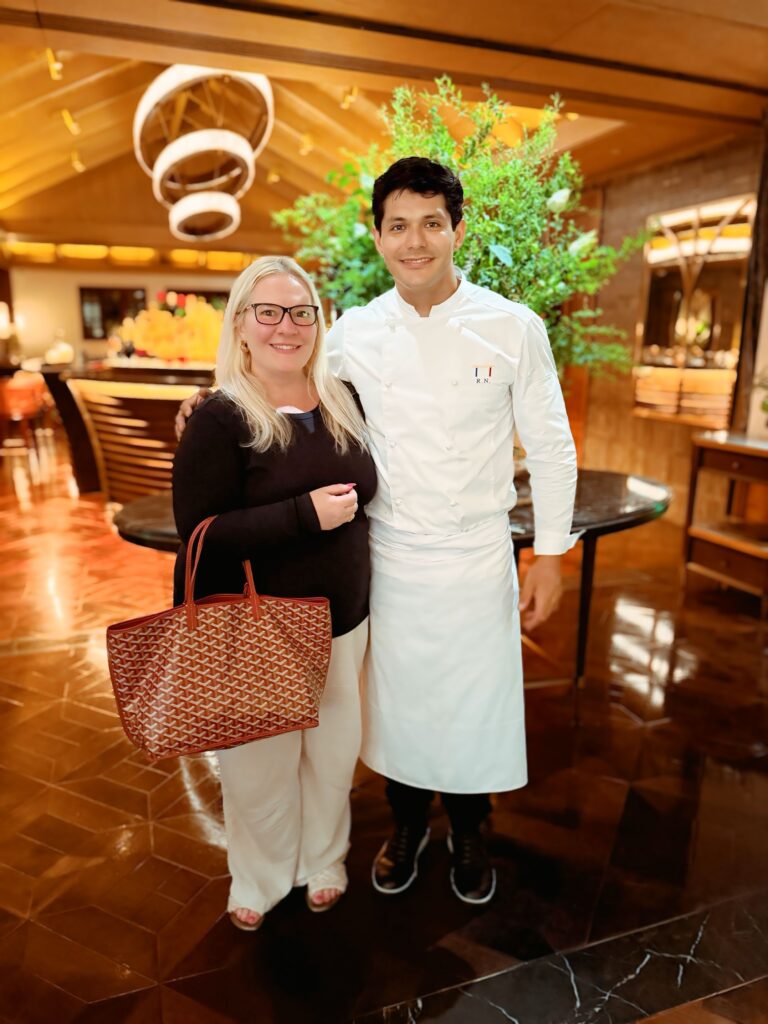
The hotel found me a table at Le Comptoir de Pierre Gagnaire. I ordered a la carte because a long tasting menu was beyond my remaining stamina. The Mexican chef came over to meet me, talked about the food and brought his own warmth and spice to a French restaurant in Shanghai.
The next morning, breakfast combined French butter with Shanghai dumplings. It was possibly my ideal version of international relations.
The staff also gave me a book about the history of the houses. That small gesture mattered. Luxury was not simply the space or the service. It was someone noticing what had drawn me there and helping me understand it more deeply.
The ship that goes nowhere
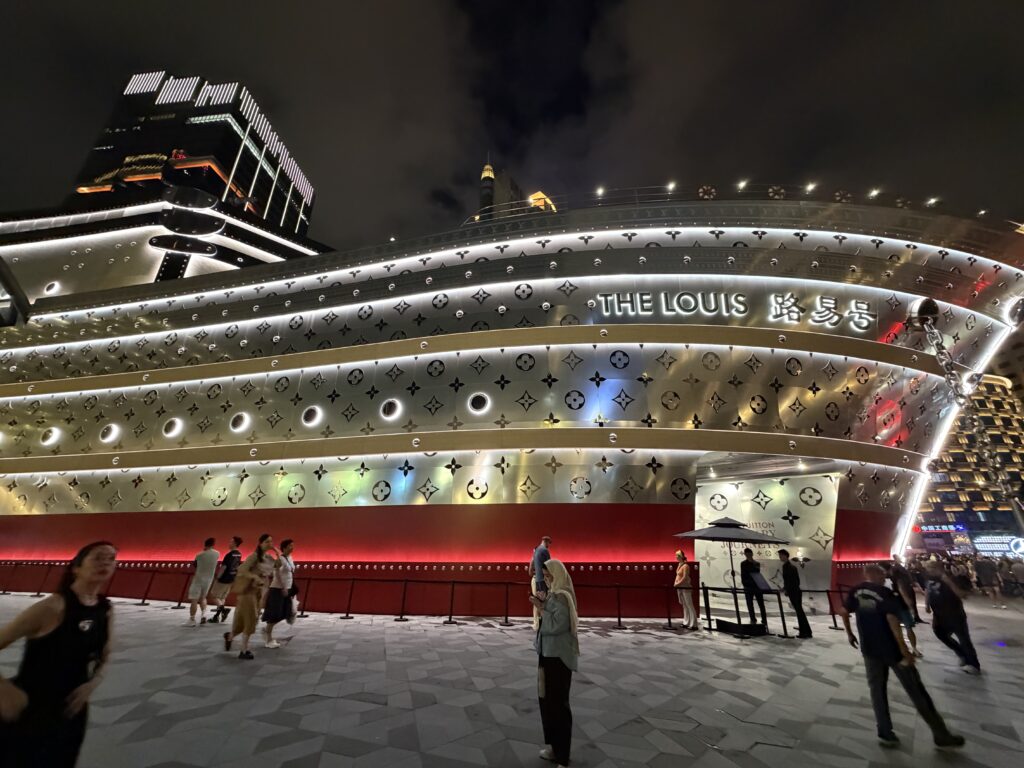
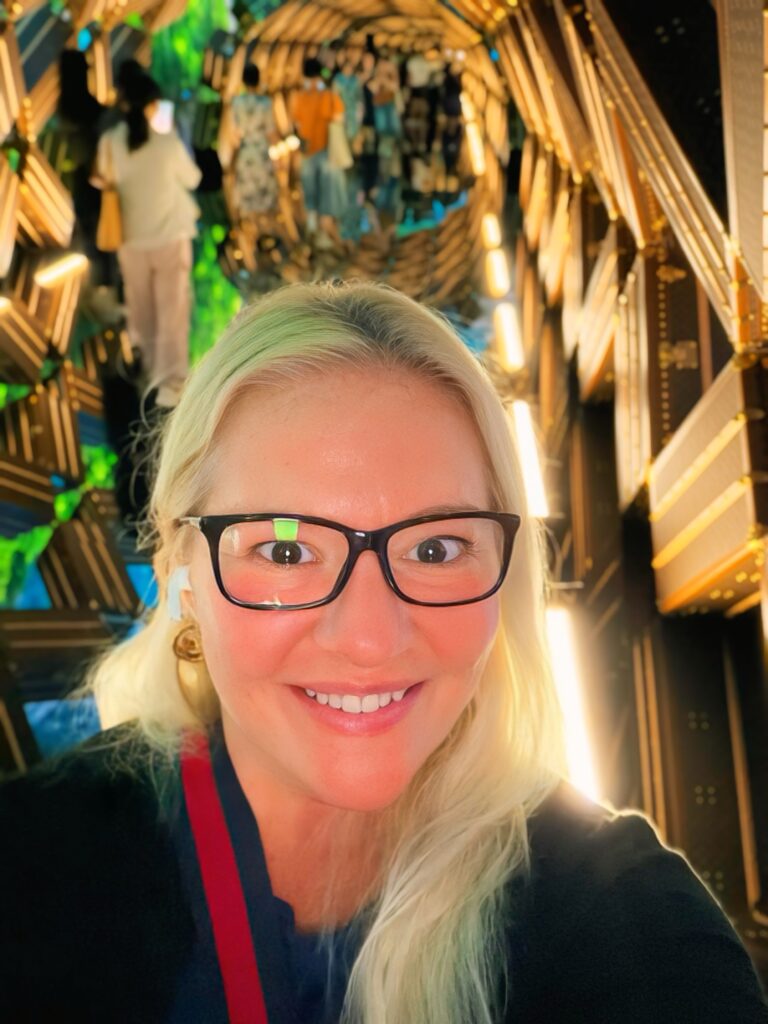
Nearby, the enormous Louis Vuitton ship had become another destination for elaborate photographs. Inside, the exhibition connected the brand to movement, trunks and the history of travel. Outside, the ship remained perfectly stationary while its images travelled around the world.
My own version of the journey looked rather less polished: pink suitcases and a Vietnamese hat still travelling in a plastic bag.
What we choose to carry
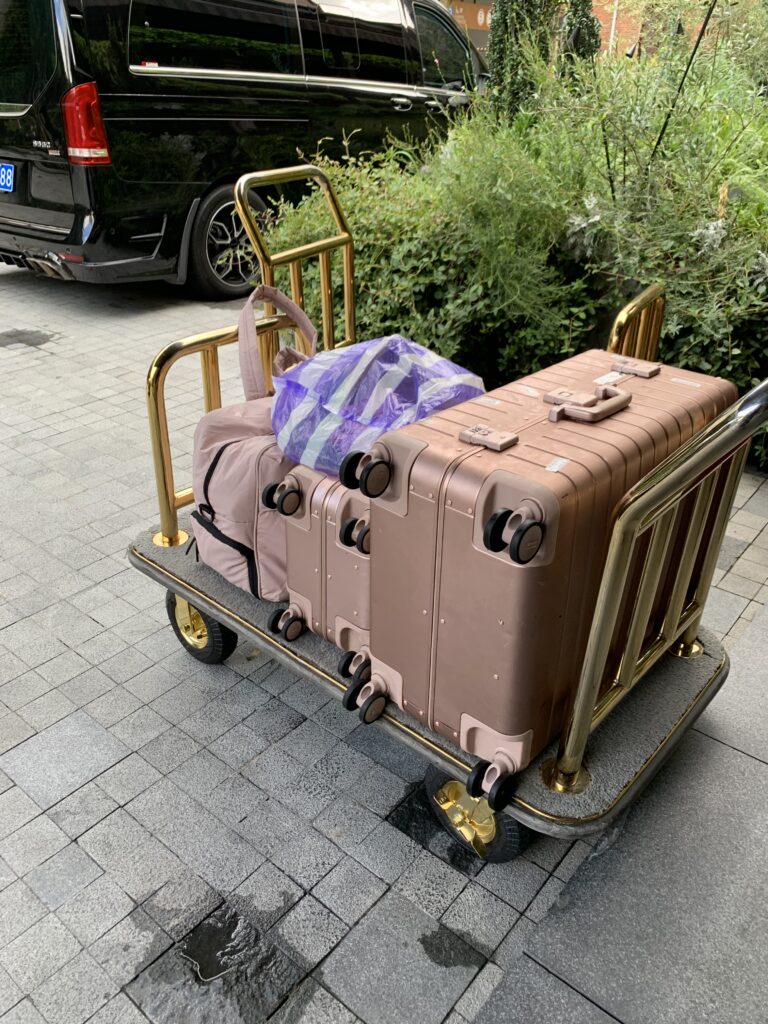
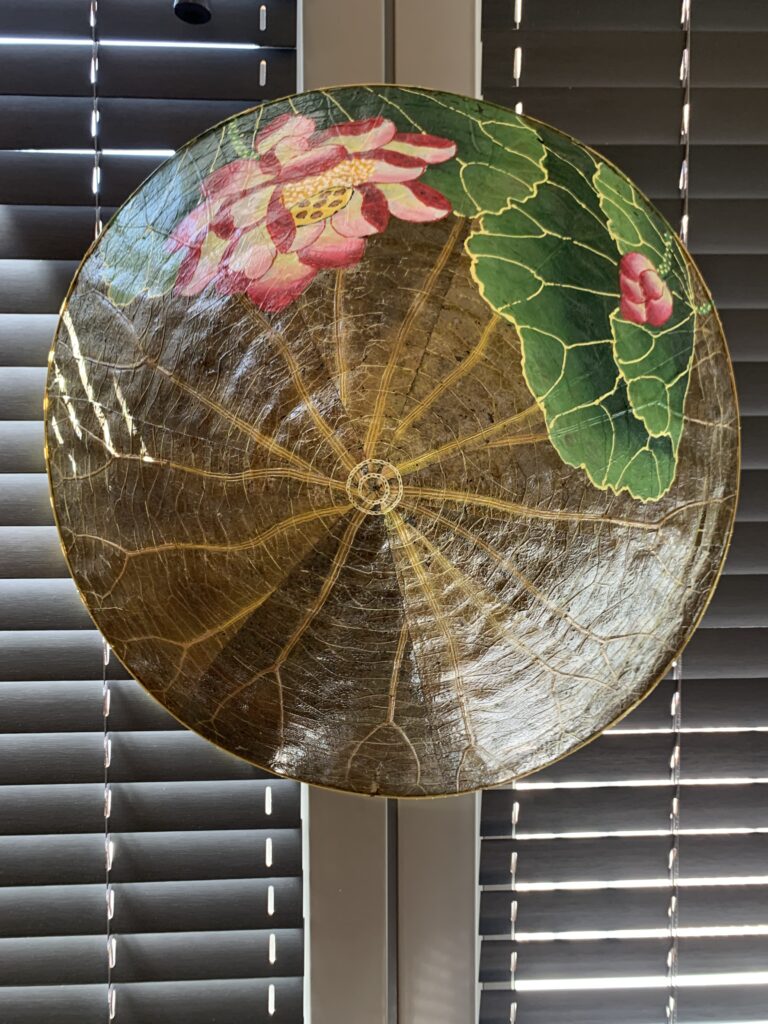
I returned with tea, lanterns, lucky cats, a little jewellery and one spectacularly inconvenient hat. Mostly, I brought back stories.
The stories took up no room. They carried the most weight.
Where to next
The most lasting impressions were not limited to the places I visited or the photographs I took. They came from people who made the effort, stayed curious, offered grace and allowed something more personal to happen.
Technology can translate the sentence. It cannot create the curiosity that makes someone ask the next question. AI can propose the route. It cannot manufacture the unexpected conversation that changes it.
One of the women from our trekking group has already opened the next chapter. An invitation from her will take me to New York for a private screening of The Day With No End, marking 25 years since September 11. One journey led to another before I had even finished writing about this one.
It is a different and more poignant story, connected by the same human thread: how events become history while their impressions continue to live in people. I will be sharing more from New York very soon.
For now, I would love to hear from you.
What has made you look again? Who helped you see it differently? Reply, comment or share the story with me.
Because we rarely know how long another person will carry the impression we leave.
People Places Purpose
Live tomorrow today
Feel free to follow my stories on Instagram